








AI for Logistics and Transportation
Route optimization, predictive fleet maintenance, dispatch automation, and demand forecasting for carriers, freight brokers, and logistics operators.

Logistics transportation
AI for Returns Processing in Reverse Logistics: Sort, Test, and Disposition
Returns are the messy part of logistics that nobody wants to deal with. AI brings structure to reverse logistics by automating the sort, test, and disposition decisions that determine whether a returned item goes back to inventory, gets refurbished, or gets scrapped.
 Basel IsmailApr 8, 2026

Logistics transportation
How AI Handles Hazardous Materials Classification and Documentation
Hazmat classification errors are expensive and dangerous. AI systems automate the classification process using Safety Data Sheet analysis and regulatory database lookups, producing accurate documentation that satisfies DOT, IATA, and IMDG requirements.
Basel IsmailApr 8, 2026

Logistics transportation
Automated Receiving Quality Inspection Using Computer Vision
Manual receiving inspections are slow, inconsistent, and often just a formality. Computer vision systems automate the inspection process, catching damage, quantity discrepancies, and labeling errors as goods cross the dock threshold.
Basel IsmailApr 8, 2026
Logistics transportation
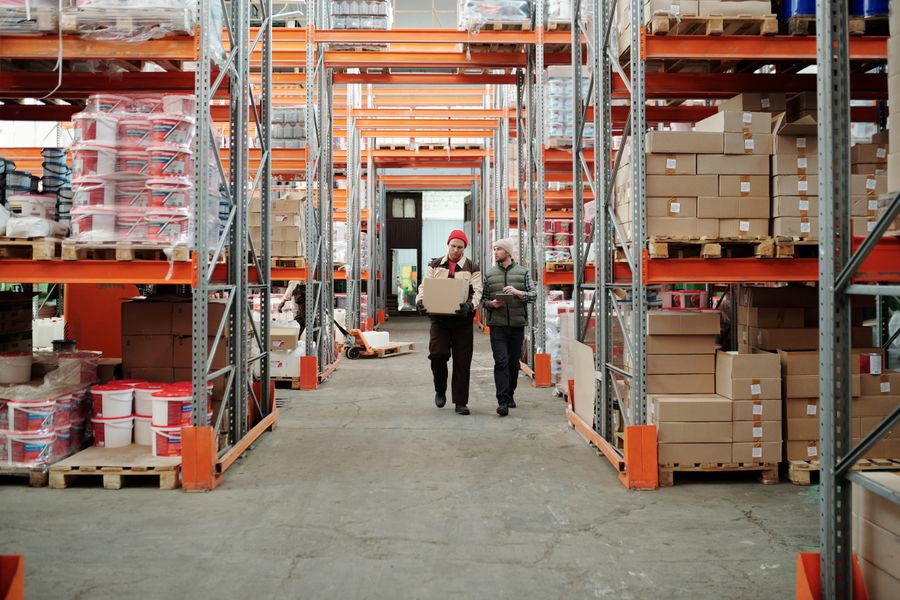
AI for Pick Wave Planning in Multi-Order Fulfillment Operations
Pick wave planning determines when orders are released to the warehouse floor and how they are grouped. AI optimizes wave composition to balance labor utilization, shipping deadlines, and warehouse flow, turning a scheduling exercise into a strategic advantage.
Basel IsmailApr 7, 2026

Logistics transportation
How AI Handles Warehouse Labor Standard Setting Using Historical Productivity Data
Setting fair and accurate labor standards has always been contentious in warehousing. AI analyzes historical productivity data to establish standards that reflect actual conditions rather than theoretical ideals, making them both more accurate and more accepted by workers.
Basel IsmailApr 7, 2026

Logistics transportation
AI for Automated Sortation System Optimization in Parcel Hubs
Parcel hubs process millions of packages through automated sortation systems that need constant optimization. AI fine-tunes divert timing, manages throughput balancing, and predicts maintenance needs to keep sort rates at peak performance.
Basel IsmailApr 7, 2026
Get the next article by email
One short email when something new goes up. Practical, no fluff, written by the people who build.
Free. Unsubscribe any time. Privacy policy
Logistics transportation
How AI Manages Cross-Docking Window Coordination Between Inbound and Outbound
Cross-docking eliminates storage by transferring goods directly from inbound to outbound trucks. The challenge is timing. AI coordinates tight arrival and departure windows so that product flows through the dock without backing up or sitting idle.
Basel IsmailApr 7, 2026
Logistics transportation
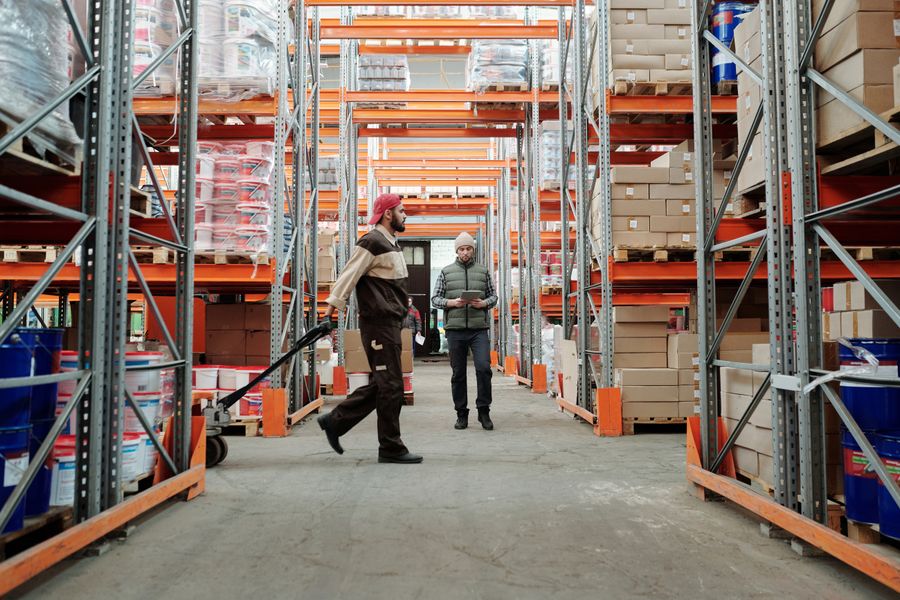
Automated Warehouse Bin Replenishment From Bulk Storage Locations
Running out of stock in pick locations is one of the fastest ways to kill warehouse productivity. AI-driven bin replenishment anticipates depletion and schedules moves from bulk storage before pickers encounter empty slots.
Basel IsmailApr 6, 2026

Logistics transportation
AI for Inventory Velocity Analysis: Identifying Fast and Slow Movers
Knowing which products move fast and which sit idle sounds basic, but most warehouses rely on crude ABC classifications that miss the nuances. AI-driven inventory velocity analysis creates a much more granular and actionable picture of product movement patterns.
Basel IsmailApr 6, 2026

Logistics transportation
How AI Manages Warehouse Receiving Dock Scheduling to Eliminate Detention
Detention charges pile up when trucks wait at receiving docks. AI dock scheduling coordinates arrival times with actual unloading capacity, reducing wait times for drivers and detention costs for shippers.
Basel IsmailApr 6, 2026

Logistics transportation
AI for Owner-Operator Settlement Calculation and Pay Statement Automation
Owner-operator settlements involve a tangled web of line haul pay, fuel surcharges, deductions, and accessorial charges. AI automates the calculation process, reducing errors and disputes while getting drivers paid faster.
Basel IsmailApr 6, 2026

Logistics transportation
How AI Helps Carriers Prepare for FMCSA Safety Audits
An FMCSA safety audit can be a straightforward review or a weeks-long ordeal depending on how prepared you are. AI audit preparation tools organize your documentation, identify gaps before the auditor does, and simulate the audit process so nothing catches you off guard.
Basel IsmailApr 5, 2026
103 articles