









The systems we put into production
Same engineers, same architecture and same standard as the products we own, built inside your operation and run after they ship.




Six classes of system
Everything we ship falls into one of these. Four of them we also run as our own companies.
Case escalated
New situation, sent to SarahAI agents
Specialist agents that carry a whole step of the work, hand off to each other, and escalate to a person when a case is genuinely new. The class of system behind SonofBasel.
Example: 24/7 AI Receptionist42 invoices entered
Into the accounts system you already useRobotic process automation
Bots that drive the systems you already own, including the ones with no API to call. Nothing to rip out and nothing to relearn.
Example: Auto-Invoicing & BookkeepingForecast updated
Next 13 weeks, by productForecasting and planning
Demand forecasts, scenario models, and S&OP built on your own history. The same class of system we run inside DemandLabs.
Example: Inventory & Auto-ReorderingMonthly report ready
Figures in, commentary draftedReporting that builds itself
The numbers your team rebuilds in a spreadsheet every month, turned into software that updates on its own. The EventAnalytics class of system.
Example: Automatic Client ReportsFiling checked
2 fields flagged for reviewDocument and filing workflows
Intake, extraction, checking against a ruleset, then submission. The same class of system we run inside CosmeticComply.
Example: One-Click PaperworkNew job added
Visible to the whole teamInternal tools
The software your operation needs and no vendor sells, built to the standard we hold our own products to.
Example: All-in-One Client HubMap. Reengineer. Build. Run.
The fourth step is the one most firms skip. We stay on the system after it ships.

Map ready
11 manual steps foundMap
We work through the operation as it actually runs: where the exceptions live and what the manual work costs.

Process redesigned
4 steps removedReengineer
We redesign the processes that should not be manual before we automate anything. Automating a broken process only makes it fail faster.
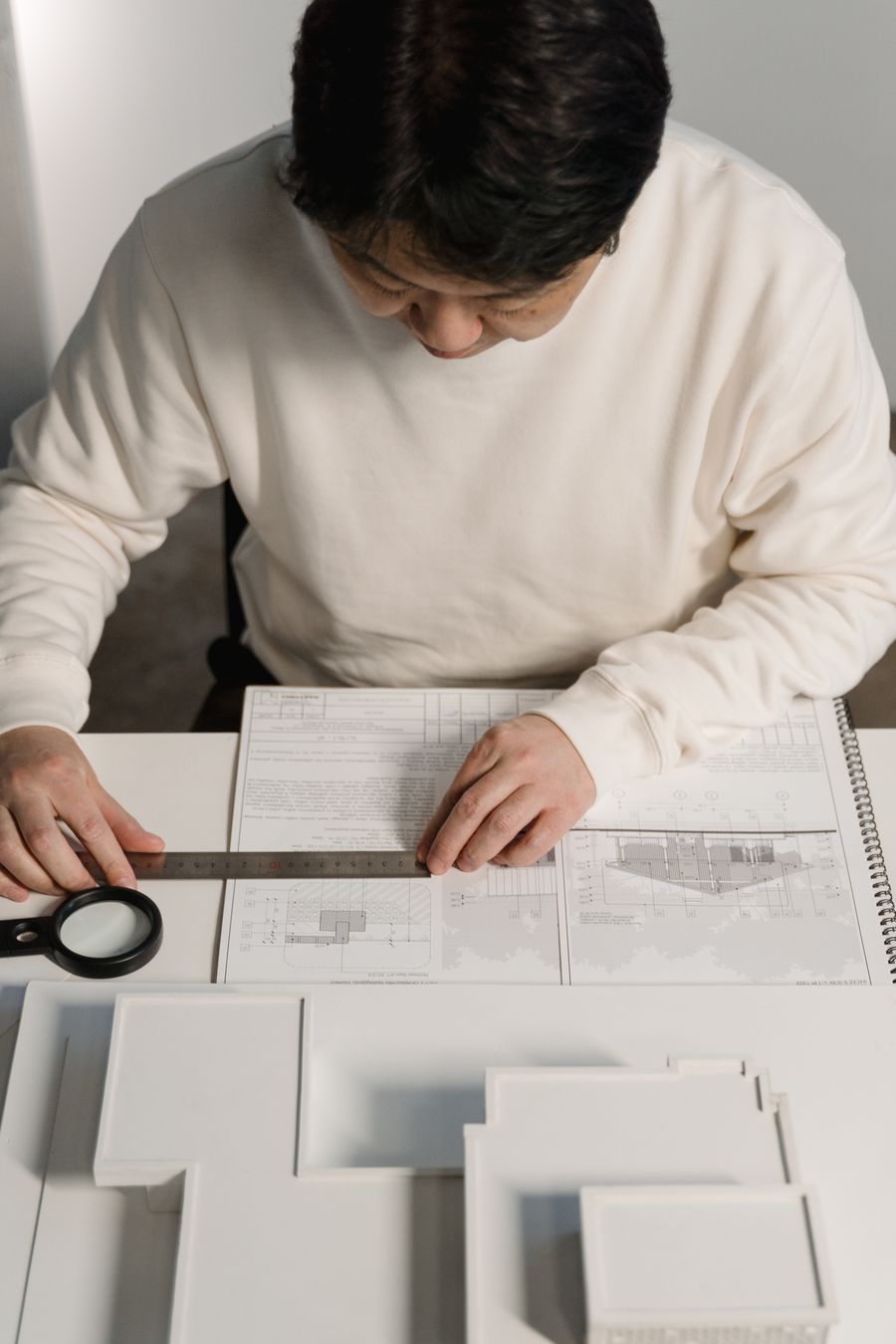
System live
Connected to your toolsBuild
AI agents, integrations, and automation that replace the manual work, from the engineers and architecture behind our own products.
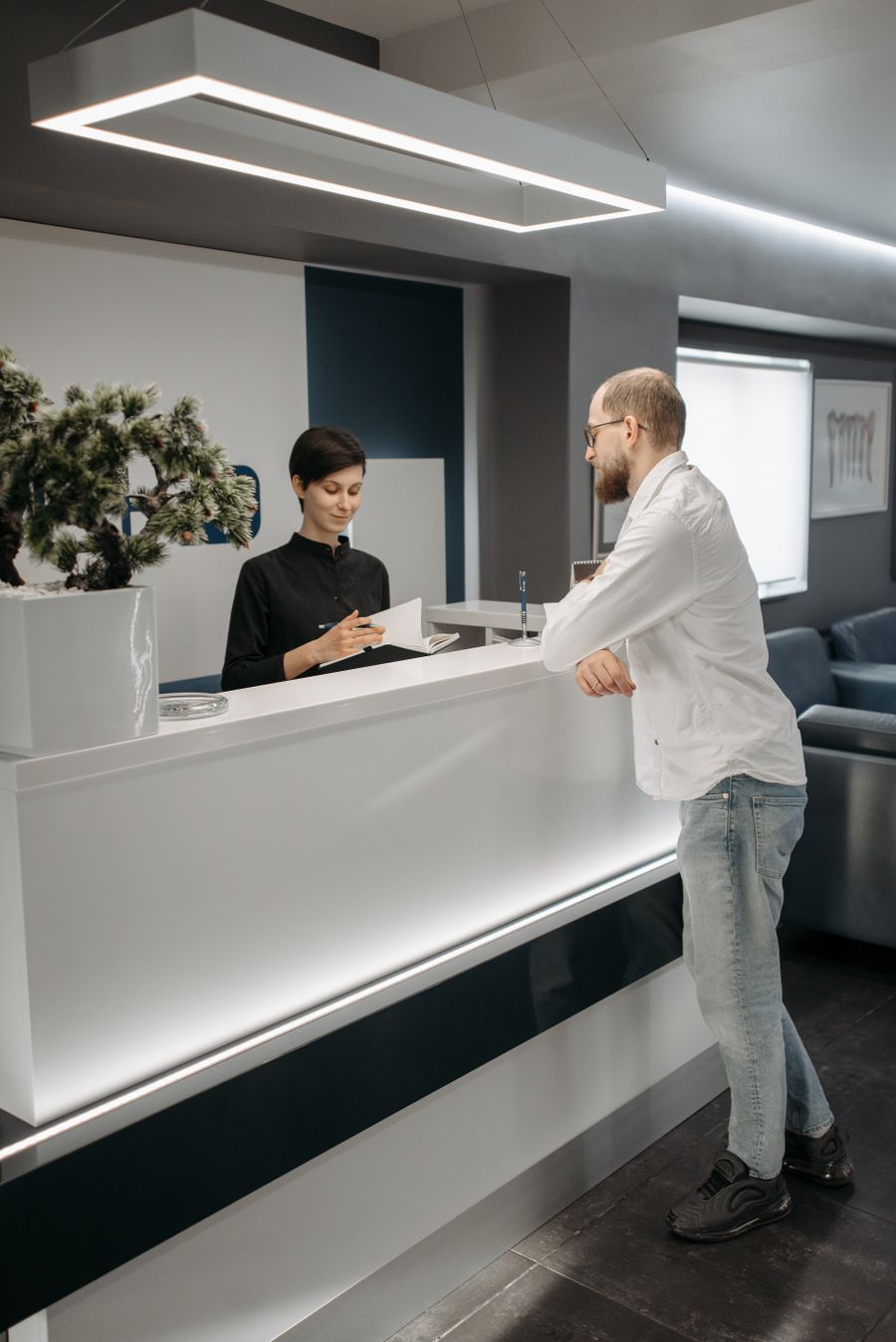
This week
212 tasks handledRun
We operate the system in production and keep it working as the business changes.
Working session
Your team and ours, one tableBuilt with the people who run the work
Your people know where the exceptions live and why the workaround exists. We know how to turn that into software that holds up. A build needs both in the room to survive the real workflow.
Why FirmAdaptThe four companies we own
Each one runs on the same classes of system we build for clients.
 DemandLabs
Supply chain planning and integrated business planning.
Livedemandlabs.io EventAnalytics
Business analytics for the meetings and events industry.
Liveeventanalytics.ai CosmeticComply
Regulatory filing, live today for Health Canada.
Livecosmeticcomply.com SonofBasel
Digital clones of individual people, answering at your depth.
LiveSee the demoStart where the manual work actually sits
A thirty-minute working session, or a free PATH scan of your domain. Both show you where to start.