









AI systems for builders and contractors
Quotes the same day, every site visible and margin tracked while you build.
Prefer to talk it through? Book a call
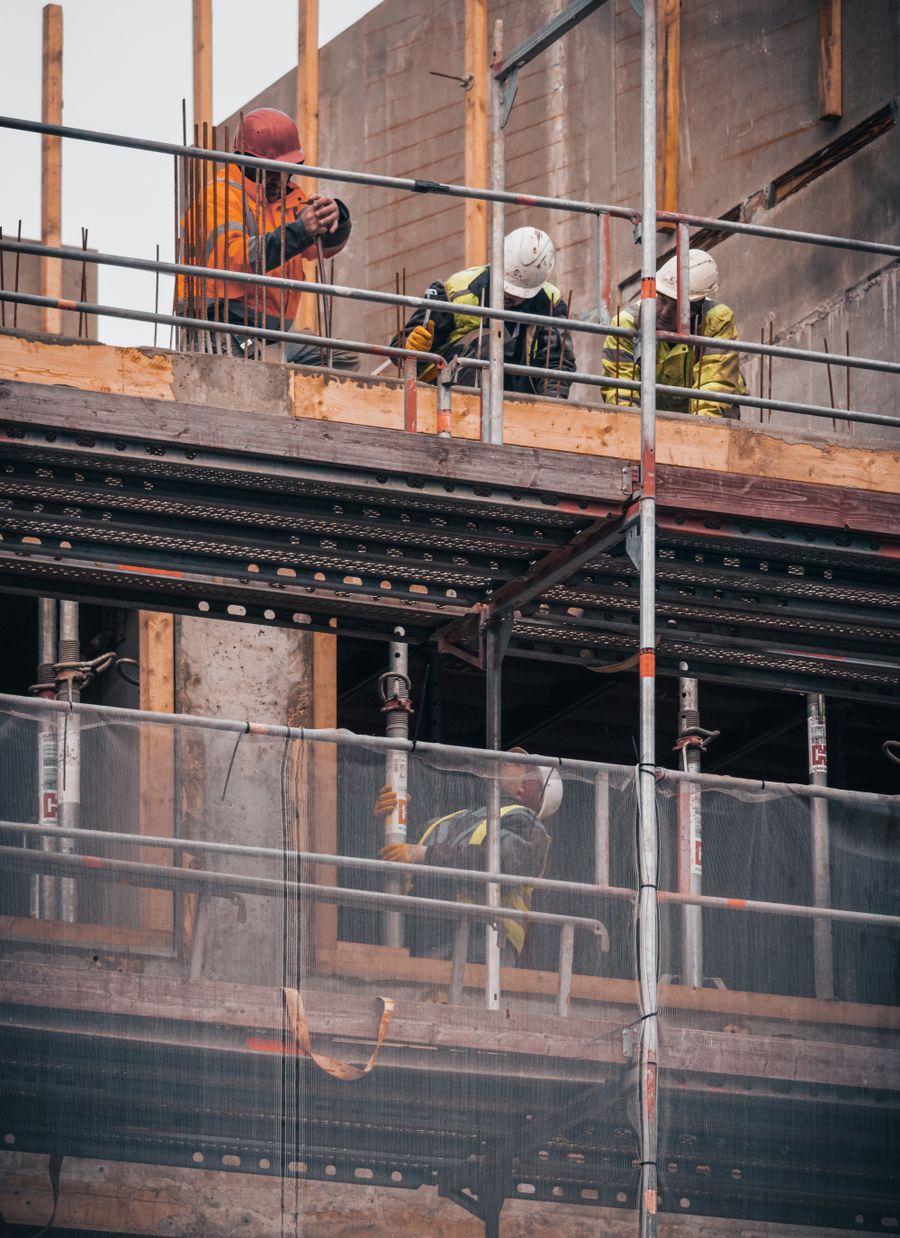

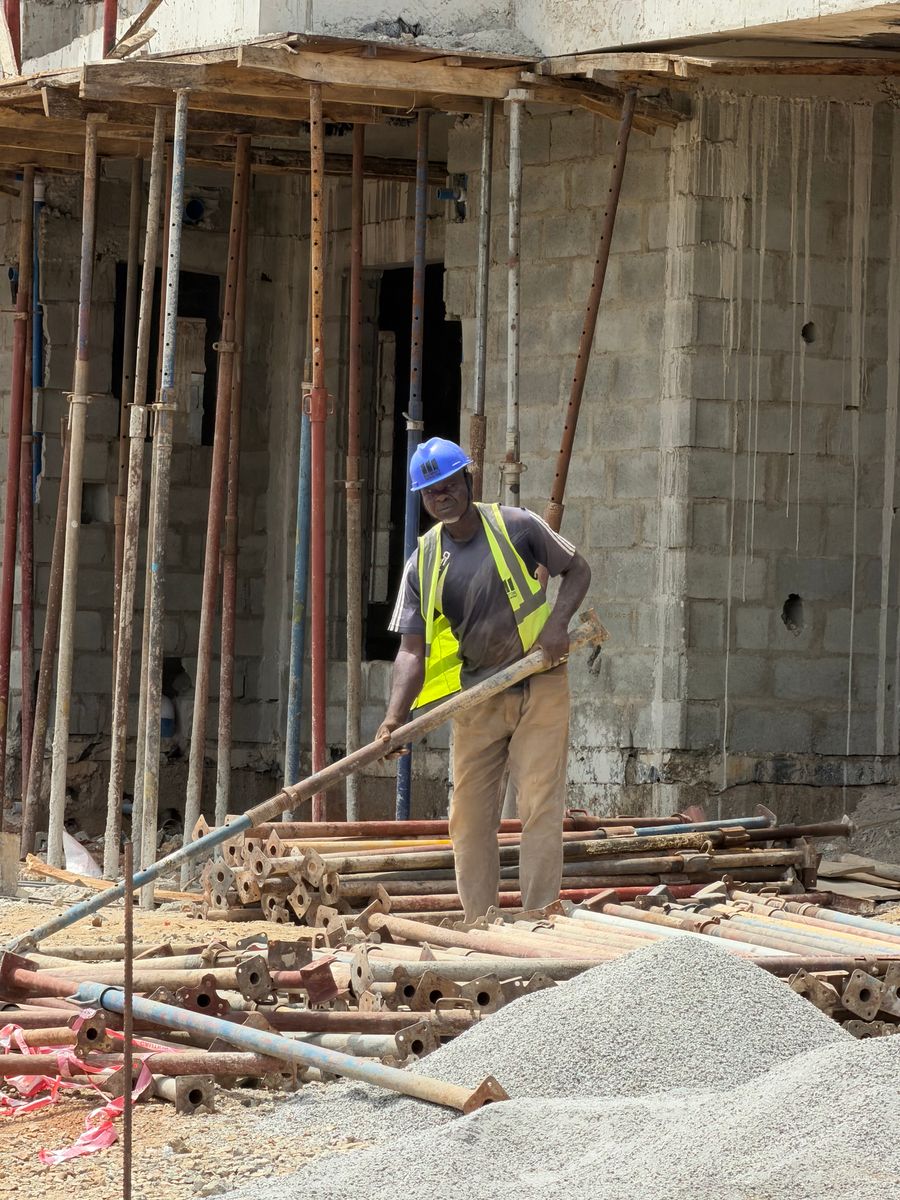

Where the time goes in construction
What we hear most often from builders and contractors, before anything gets built.
Quotes wait until the weekend
Estimates get built from drawings by hand after a full day on site.
Nobody sees every job at once
Progress, photos and changes live in group chats and the site manager's head.
Overruns show up at the final invoice
Actual costs are known too late to fix the job that went over.
Six systems we'd build for builders and contractors
Each one is built around the tools you already use, then run by the team that built it.
Instant Quote Builder
Estimates built from drawings and your rates the same day, sent while the client is still deciding.
Accurate, branded quotes in minutes.
Live Job Tracker
Daily site reports and photos logged automatically, with every job's stage on one screen.
Every job, every stage, one screen.
Job Profit Dashboard
Quoted against actual on every job while it runs, so overruns get caught in time.
Profit for every job, while it's live.
Staff Scheduling & Dispatch
Crews and subcontractors scheduled to the right site, with changes sent to their phones.
The right person on every job.
Bid & Grant Finder
Council and commercial tenders that fit your trade found early, with deadlines attached.
The right contracts and grants, with deadlines.
Compliance & Deadline Alerts
Licences, permits and insurance tracked, so nothing lapses mid-job.
Every date in one place, with reminders.

Talk it through with the people who'd build it
A free call with the FirmAdapt team. Bring your questions and the tools you use today.
Field notes for builders and contractors
Practical writing on AI in construction, from our blog.

Construction
How AI Optimizes Construction Project Cash Flow and Payment Timing
Cash flow is the lifeblood of construction companies. AI financial tools forecast, monitor, and optimize the flow of money through projects to prevent the cash crunches that threaten contractor survival.
 Basel IsmailApr 23, 2026
Construction
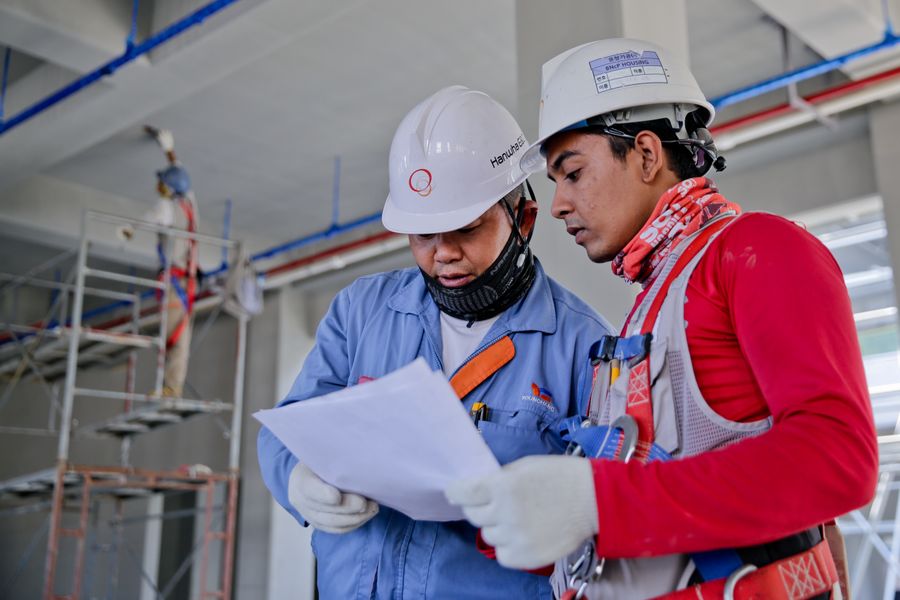
AI for Managing Construction in Occupied Facilities Without Disrupting Operations
Renovating or expanding a building while it remains occupied requires meticulous planning to minimize noise, dust, and access disruptions. AI coordinates construction with ongoing facility operations.
Basel IsmailApr 23, 2026
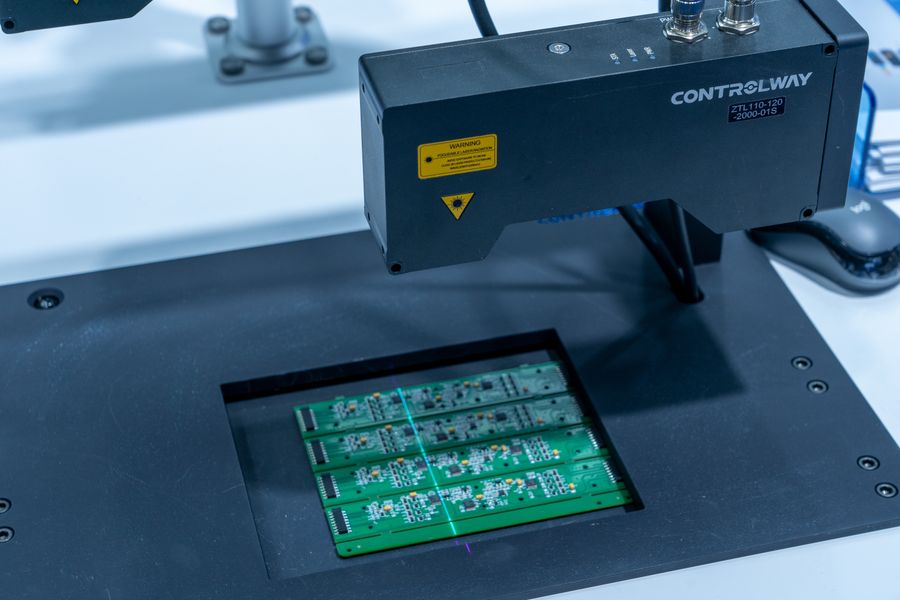
Construction
How AI Monitors Concrete Batch Plant Quality and Delivery Timing
The quality and timing of concrete delivery affect both structural performance and schedule. AI monitoring tracks batch plant output and delivery logistics to prevent placement problems.
Basel IsmailApr 23, 2026
Questions & answers
Will this work with our estimating and accounts software?
We build around the tools you already use. The working session maps them before anything is proposed.
Does the crew need to learn a new app?
As little as possible. Updates can come in by text, photo or the tools your team already uses.
Where does our data live?
In your environment, under your controls. We do not warehouse, copy or store client data on our systems.
What does it cost?
Each system is scoped and priced against the manual work it retires. The working session and the PATH report are free.
See how this would work for your business
Tell us where to send it and we'll record a short video demo for your business.