








Field notes on AI in business
Practical writing on AI, automation and the day-to-day work of running a business. From the team that builds and runs AI systems.

Deferred revenue
Decoding Deferred Revenue as a Leading Indicator of Future Growth
Deferred revenue shows next year's growth forming before it reaches the income statement. How to read the trend, adjust for seasonality, and spot the distortions.
 Basel IsmailJul 9, 2026
Share buybacks
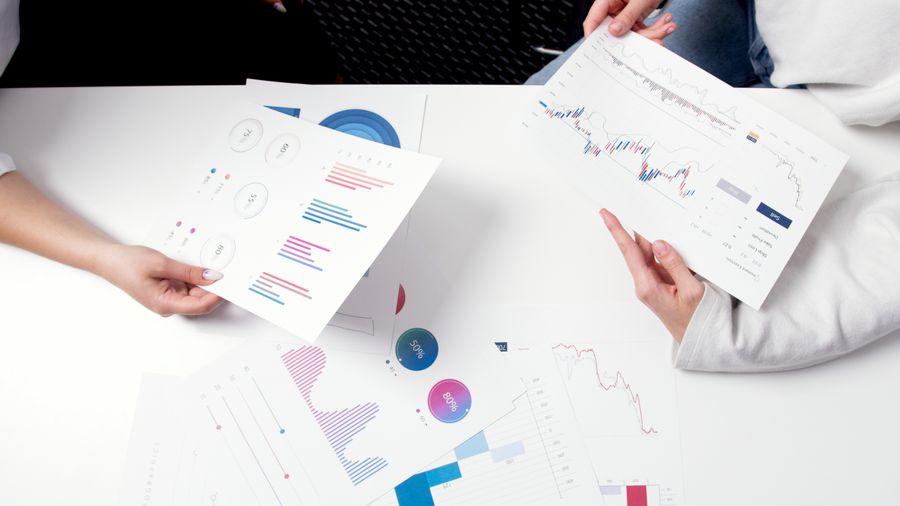
How Share Buyback Programs Affect Your Analysis of Per-Share Metrics
Buybacks can manufacture EPS growth with no improvement in the underlying business. A practical guide to separating real growth from share count math.
Basel IsmailJul 9, 2026

Tax analysis
Analyzing a Company's Tax Rate for Hidden Risks and Benefits
A company's low tax rate can hide expiring incentives, audit risk, and jurisdiction bets. How to read the tax footnote and spot the earnings risk early.
Basel IsmailJul 9, 2026
Operating leverage
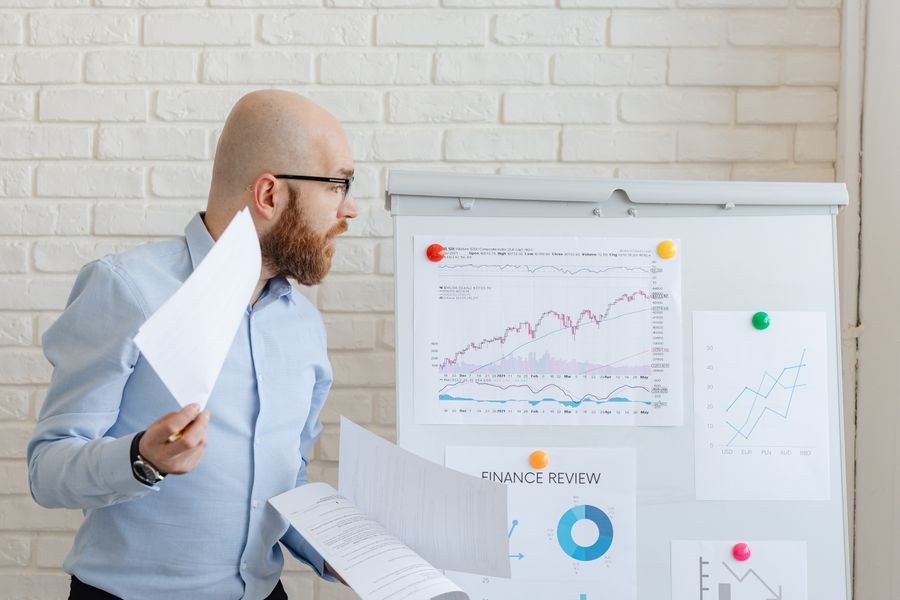
How to Use Operating Leverage to Predict Earnings Sensitivity
Operating leverage explains why small revenue moves turn into big earnings swings. How to estimate it from filings and use it in forecasts and stress tests.
Basel IsmailJul 9, 2026

Xbrl
How XBRL Tagging Opened Up Financial Data for Everyone
XBRL turned SEC filings into machine-readable data anyone can query for free. What it is, where it breaks, and how to put tagged filings to work.
Basel IsmailJul 8, 2026

Government contracts
How Government Contract Data Reveals Industry Dynamics
Federal procurement databases document who wins government work, down to the dollar. How to use USAspending.gov, FPDS, and SAM.gov for real industry analysis.
Basel IsmailJul 8, 2026
Get the next article by email
One short email when something new goes up. Practical, no fluff, written by the people who build.
Free. Unsubscribe any time. Privacy policy
Federal reserve
How to Extract Investment Signals from Federal Reserve Communications
A practical guide to reading FOMC statements, minutes, dot plots, and Fed speeches, and turning changes in the language into usable investment signals.
Basel IsmailJul 8, 2026

Geographic analysis
Geographic Revenue Breakdown: What International Exposure Tells You About Risk
Where to find geographic revenue in a 10-K and how to read it for currency risk, political exposure, concentration, and the growth hiding underneath.
Basel IsmailJul 8, 2026

Rd analysis
How to Analyze a Company's R&D Efficiency and Innovation Pipeline
R&D budgets tell you little on their own. Here is how to use filings, patents, and new product disclosures to judge whether the spending produces anything.
Basel IsmailJul 8, 2026

Segment analysis
Segment Reporting Analysis: Finding Hidden Value in Diversified Companies
Diversified companies often trade below the sum of their parts. Here is how to use segment disclosures and sum-of-the-parts math to find the gap.
Basel IsmailJul 8, 2026

Capital expenditure
How to Analyze a Company's Capital Expenditure Decisions
Capex is where management's real priorities show up. How to split maintenance from growth spending, test returns on capital, and spot the games in the filings.
Basel IsmailJul 8, 2026

Goodwill impairment
Understanding Goodwill Impairment and What It Signals About Acquisition Quality
A goodwill write-down is management admitting it overpaid for a deal. How to read the charge, spot warning signs early, and judge an M&A track record.
Basel IsmailJul 8, 2026
1,319 articles