









AI for E-commerce and Retail
Customer service automation, demand forecasting, dynamic pricing, and personalization engines that help e-commerce and retail brands scale without proportionally scaling costs.
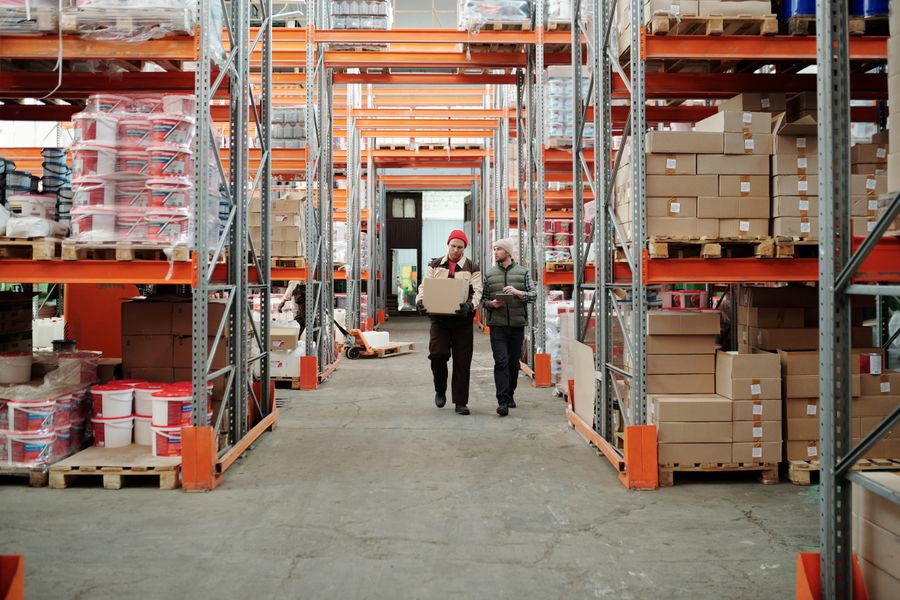
Ecommerce retail
AI for Multi-Warehouse Inventory Allocation: Shipping From the Right Location
Retailers with multiple fulfillment centers can cut shipping costs 15-25% by using AI to position inventory closer to predicted demand clusters.
 Basel IsmailApr 2, 2026

Ecommerce retail
Automated Reorder Point Calculation: Why Static Safety Stock Formulas Fail
The standard safety stock formula assumes demand follows a normal distribution. In ecommerce, it almost never does, and that mismatch causes chronic stockouts.
Basel IsmailApr 2, 2026

Ecommerce retail
How Machine Learning Predicts Stockouts 3 Weeks Before They Happen
ML models analyzing sales velocity, supplier lead times, and external demand signals can predict inventory stockouts weeks in advance, giving teams time to act.
Basel IsmailApr 2, 2026

Ecommerce retail
AI Demand Forecasting for Seasonal Products: Getting Black Friday Inventory Right
Traditional forecasting methods miss seasonal demand spikes by 20-35%. Machine learning models that incorporate external signals cut that error rate significantly.
Basel IsmailApr 2, 2026

Ecommerce retail
Building a Tiered Customer Service System: When AI Handles vs When Humans Step In
The best ecommerce support teams use a three-tier system where AI handles routine work and humans focus on complex issues. Here is how to draw the lines.
Basel IsmailApr 2, 2026

Ecommerce retail
AI for Returns Processing: Predicting Which Returns Are Fraudulent
Return fraud costs retailers $24 billion annually. AI models trained on behavioral signals can flag suspicious returns before they drain margins.
Basel IsmailApr 2, 2026
Get the next article by email
One short email when something new goes up. Practical, no fluff, written by the people who build.
Free. Unsubscribe any time. Privacy policy
Ecommerce retail
Automating Order Status and Tracking Inquiries: The Easiest AI Win in Ecommerce
Order tracking questions make up 35% of ecommerce support volume and are the simplest category to automate with AI, delivering measurable ROI in weeks.
Basel IsmailApr 2, 2026

Ecommerce retail
How AI Chatbots Handle 73% of Ecommerce Customer Inquiries Without Human Help
AI chatbots now resolve nearly three-quarters of ecommerce support tickets autonomously, but the details of which inquiries they handle well matter more than the headline number.
Basel IsmailApr 2, 2026
104 articles