









AI for Manufacturing
Predictive maintenance, visual quality inspection, supply chain optimization, and energy management powered by AI for manufacturing operations.

Manufacturing
Automated GMP Compliance Monitoring for Pharmaceutical and Food Manufacturing
Good Manufacturing Practice requirements are extensive and violations are costly. AI continuously monitors process data, documentation, and operator actions for GMP compliance.
 Basel IsmailApr 25, 2026

Manufacturing
How AI Optimizes Maintenance Inventory Spare Parts Stocking Levels
Spare parts inventory is either too much or too little. AI calculates optimal stocking levels based on failure predictions, criticality, lead times, and carrying costs.
Basel IsmailApr 25, 2026
Manufacturing
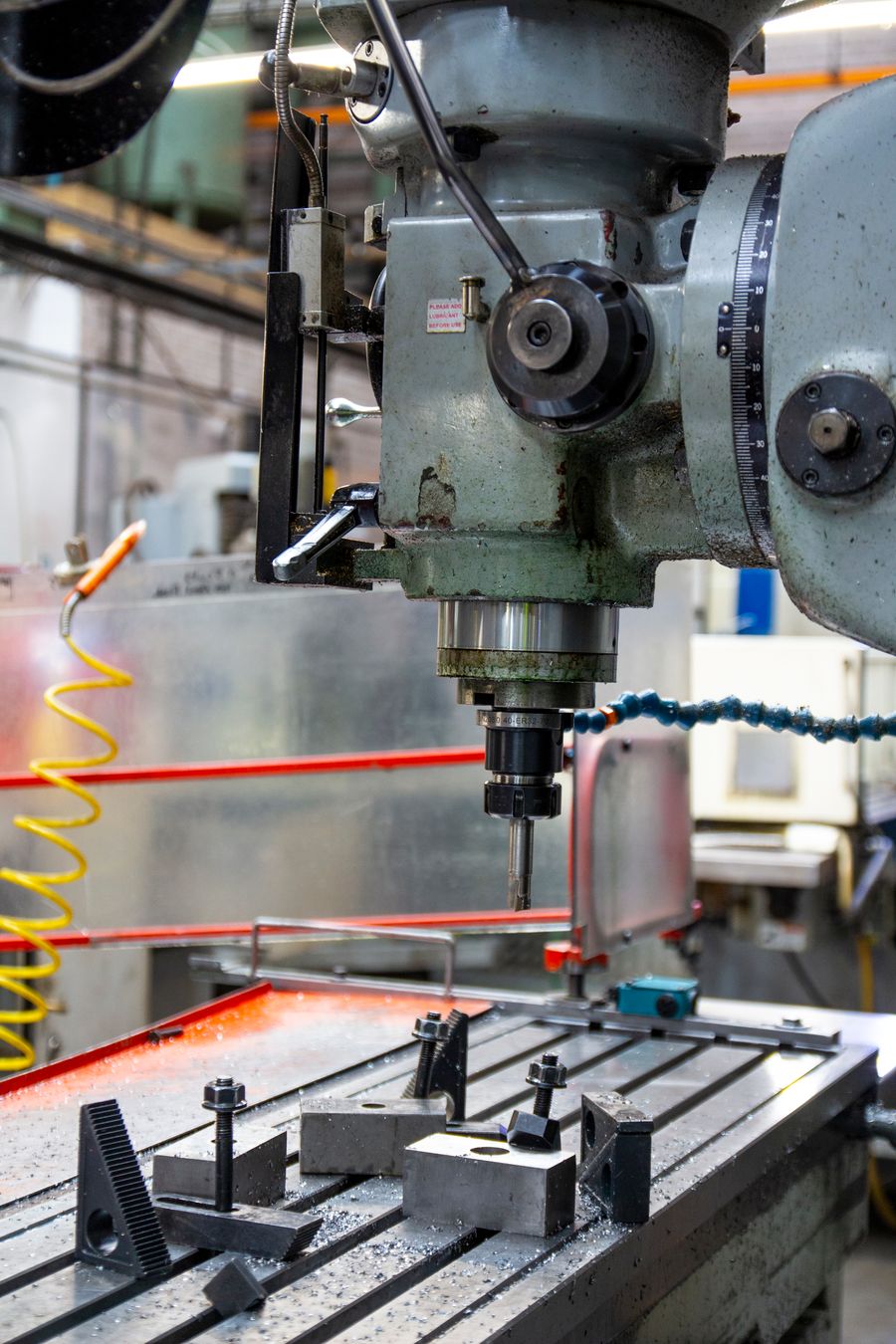
AI for Sheet Metal Forming: Springback Prediction and Die Design Optimization
Springback after sheet metal bending makes accurate parts difficult. AI predicts springback from material properties and process parameters, enabling compensation in the die design.
Basel IsmailApr 25, 2026

Manufacturing
Automated APQP and PPAP Documentation for Automotive Suppliers
Automotive suppliers spend weeks preparing PPAP submissions. AI automates the assembly of control plans, FMEA updates, measurement studies, and capability analyses.
Basel IsmailApr 25, 2026
Manufacturing
How AI Manages Multi-Site Manufacturing Coordination and Load Balancing
Running multiple manufacturing sites means deciding what to make where. AI balances production loads across sites based on capacity, capability, cost, and customer proximity.
Basel IsmailApr 25, 2026

Manufacturing
AI for Circular Manufacturing: Automated Material Recovery and Recycling Optimization
Circular manufacturing recovers value from waste streams and end-of-life products. AI identifies recovery opportunities, sorts materials, and optimizes recycling processes.
Basel IsmailApr 25, 2026
Get the next article by email
One short email when something new goes up. Practical, no fluff, written by the people who build.
Free. Unsubscribe any time. Privacy policy
Manufacturing
Automated Tool Crib Management and Cutting Tool Inventory Optimization
Tool cribs in machine shops hold thousands of tools that are hard to track. AI manages inventory levels, predicts consumption, and prevents the stockouts that stop production.
Basel IsmailApr 24, 2026

Manufacturing
How AI Manages Engineering Change Orders and Their Production Impact
Engineering changes ripple through production, purchasing, and inventory. AI maps the full impact of each ECO and coordinates the transition to minimize disruption.
Basel IsmailApr 24, 2026
Manufacturing
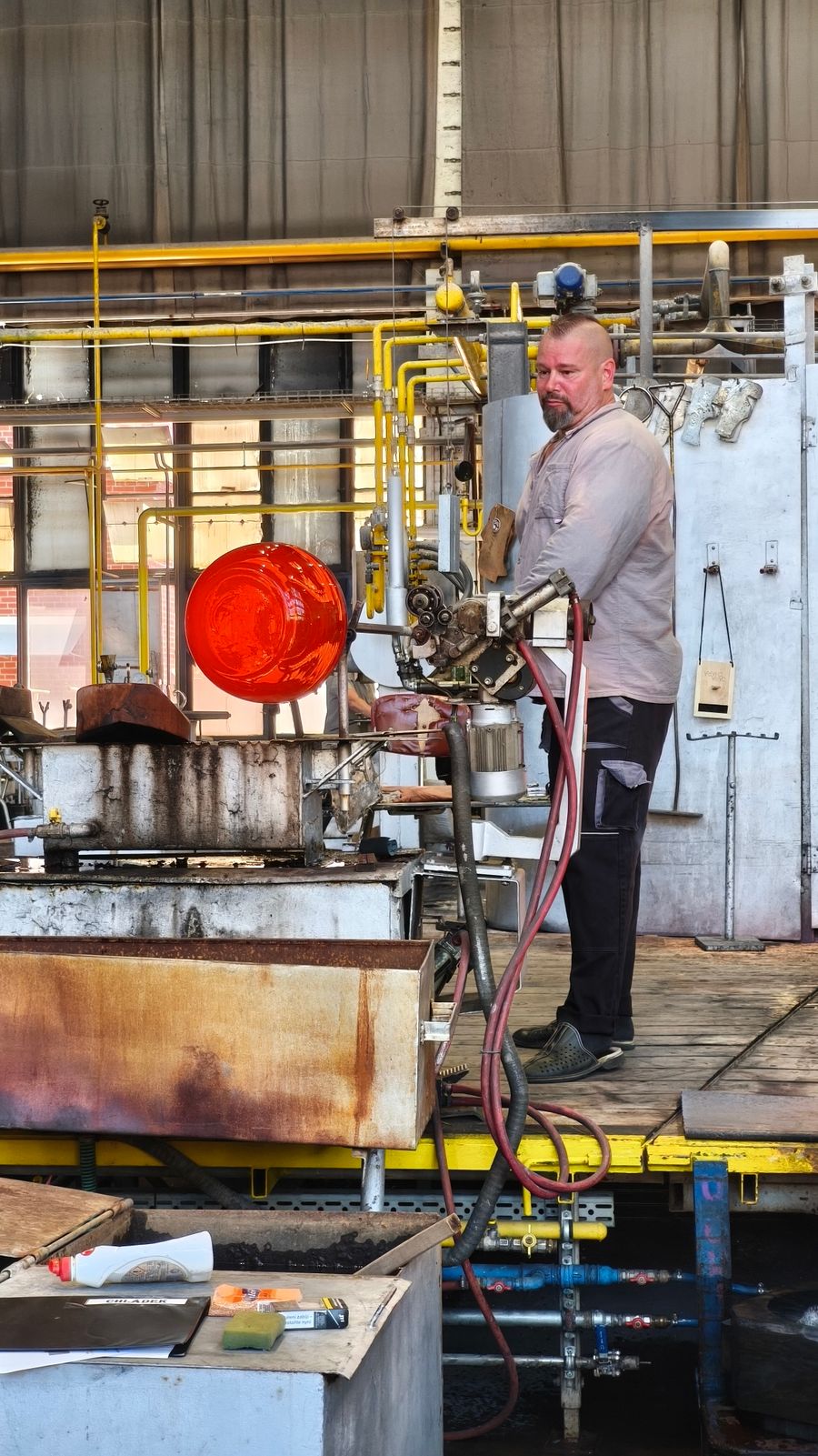
AI for Rubber and Elastomer Manufacturing: Vulcanization Process Optimization
Vulcanization transforms raw rubber into durable products, but the process window is narrow. AI optimizes temperature and time profiles to achieve consistent cure across varying compound batches.
Basel IsmailApr 24, 2026
Manufacturing
Automated Production Line Changeover Sequencing Using Setup Matrix Optimization
When multiple products share a production line, the order of changeovers matters. AI finds the sequence that minimizes total setup time using historical changeover data.
Basel IsmailApr 24, 2026

Manufacturing
How AI Handles Customer Complaint Root Cause Analysis Using 8D Methodology
Customer complaints require structured investigation. AI accelerates the 8D process by analyzing complaint patterns, correlating with production data, and suggesting containment actions.
Basel IsmailApr 24, 2026

Manufacturing
AI for Textile Dyeing: Color Recipe Prediction and Shade Matching
Textile dyeing requires precise dye recipes that change with fiber lots and water chemistry. AI predicts recipes that hit target shades on the first attempt, reducing costly re-dyes.
Basel IsmailApr 24, 2026
101 articles