










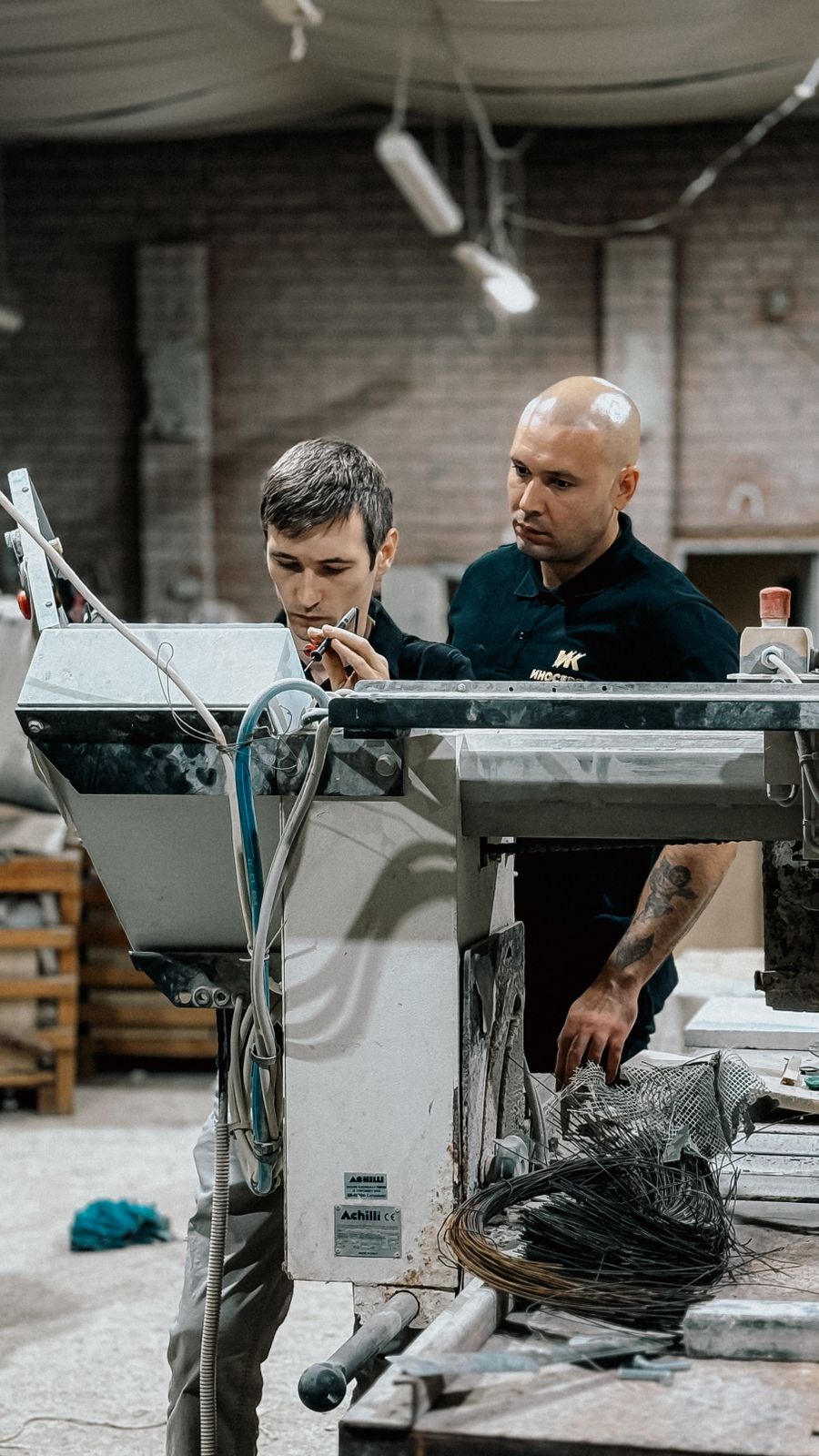
A metal fabrication shop in Ohio was cited by OSHA for inadequate safety observation documentation during a routine inspection. The fine was $14,502. The shop had a safety observation program on paper, but in practice, supervisors were logging observations inconsistently, corrective actions weren't being tracked to completion, and trend analysis was nonexistent. The safety manager told me he was spending about 12 hours per week manually compiling safety data from paper forms and spreadsheets, and still couldn't answer basic questions like "what are our top 5 recurring hazards this quarter?"
After implementing an AI-based safety observation system, the shop's observation frequency increased from about 15 per month (mostly near-miss reports prompted by close calls) to 180 per month (a mix of near-misses, unsafe conditions, and positive observations). More importantly, corrective action completion rates went from 67% to 94%, and the safety manager's weekly data compilation time dropped to about 2 hours.
What Automated Safety Observation Looks Like
The system works through a mobile app that supervisors and trained employees use to record safety observations in the field. Instead of filling out a paper form (which tends to sit on a clipboard until someone gets around to entering the data), the observer opens the app, selects the observation type, snaps a photo if relevant, speaks or types a description, and submits. The AI assists by auto-categorizing the observation (slip/trip/fall hazard, PPE compliance, housekeeping, machine guarding, electrical safety, etc.) based on the description and image.
Natural language processing handles the text classification. When a supervisor submits "spotted a frayed power cord on the grinder near station 7," the AI categorizes it as an electrical hazard, tags it with the location (station 7) and the equipment (grinder), and assigns a risk severity based on the hazard type and context. The observer can adjust the classification if the AI gets it wrong, and these corrections feed back into the model for improvement.
Image analysis adds another layer. Computer vision models trained on manufacturing safety images can identify visible hazards in photos: missing machine guards, blocked exits, improperly stored chemicals, tripping hazards, and similar conditions. When the observer includes a photo, the AI flags potential hazards it detects, prompting the observer to confirm or dismiss each one.
Trend Analysis and Leading Indicators
OSHA compliance requires more than documenting individual observations; it requires analyzing trends and demonstrating that the organization responds to patterns. The AI system performs this analysis automatically, identifying trends across multiple dimensions: hazard type, location, time of day, shift, department, and responsible supervisor.
When the system detects a statistically significant increase in a particular hazard category (for example, housekeeping observations in the welding department have increased 40% over the past month), it generates an alert for the safety manager. This leading indicator approach catches developing problems before they cause injuries. Traditional manual analysis, done monthly or quarterly, often misses these trends or identifies them too late.
The system also tracks leading indicators that OSHA values during inspections: observation frequency per employee, near-miss reporting rates, corrective action closure rates, safety meeting attendance, and training completion. Having these metrics readily available and showing positive trends makes a significant difference during an OSHA inspection, demonstrating a proactive safety culture rather than a reactive one.
Corrective Action Management
Every safety observation that identifies a hazard should trigger a corrective action. In manual systems, corrective actions get lost in email, assigned to people who forget about them, or closed without verification. The AI system manages the corrective action workflow automatically: assigning actions based on hazard type and location, setting deadlines based on risk severity, sending reminders when deadlines approach, and requiring verification (with photo evidence) before an action can be closed.
For a manufacturing operation, the corrective action workflow integrates with the maintenance management system for physical fixes (installing a guard, replacing a damaged floor tile, repairing a ventilation system) and with the training management system for behavioral corrections (retraining on lockout/tagout procedures, refresher on PPE requirements).
The AI prioritizes corrective actions by risk, ensuring that high-severity hazards get immediate attention while lower-severity items are scheduled within appropriate timeframes. This risk-based prioritization is more effective than the typical first-in-first-out approach, where a low-risk housekeeping item submitted on Monday might get attention before a high-risk machine guarding issue submitted on Wednesday.
OSHA Inspection Readiness
When OSHA arrives for an inspection (whether scheduled or triggered by a complaint), the inspector will ask for documentation of the safety management program, records of safety observations and incident investigations, corrective action tracking, training records, and evidence of management commitment to safety. The AI system generates all of this documentation on demand, in formats that inspectors are accustomed to reviewing.
The system also helps identify potential violations before OSHA does. By maintaining a database of OSHA standards applicable to the facility's industry (SIC/NAICS code), the AI can cross-reference safety observations against specific regulatory requirements. If the system sees repeated observations about inadequate machine guarding on power presses, it can flag that this is a commonly cited OSHA violation (29 CFR 1910.217) and recommend a comprehensive review of all power press guards.
Cost and Implementation
AI-based safety observation systems typically cost $15,000 to $50,000 for initial setup (software configuration, integration with existing systems, training) plus $5,000 to $20,000 per year for the platform subscription, depending on facility size and number of users. Compared to the cost of a single OSHA citation (which averaged $16,131 for serious violations in 2024) or the cost of a lost-time injury ($42,000 average direct cost per the National Safety Council), the investment is modest.
The implementation timeline is shorter than most manufacturing AI projects, typically 4 to 8 weeks from contract to production use. The biggest variable is the cultural change required to shift from occasional, reactive safety observations to frequent, proactive ones. Plants that have strong supervisor engagement and management commitment see observation rates increase 5 to 10 times within the first quarter. Plants where safety is viewed as a compliance burden rather than an operational value see slower adoption and less dramatic improvement.
The long-term value extends beyond OSHA compliance. Plants with mature safety observation programs consistently report lower worker's compensation costs, reduced absenteeism, and better employee retention. Safety culture is hard to quantify, but the correlation between observation frequency, injury rates, and overall operational performance is well-documented in industrial safety research.