










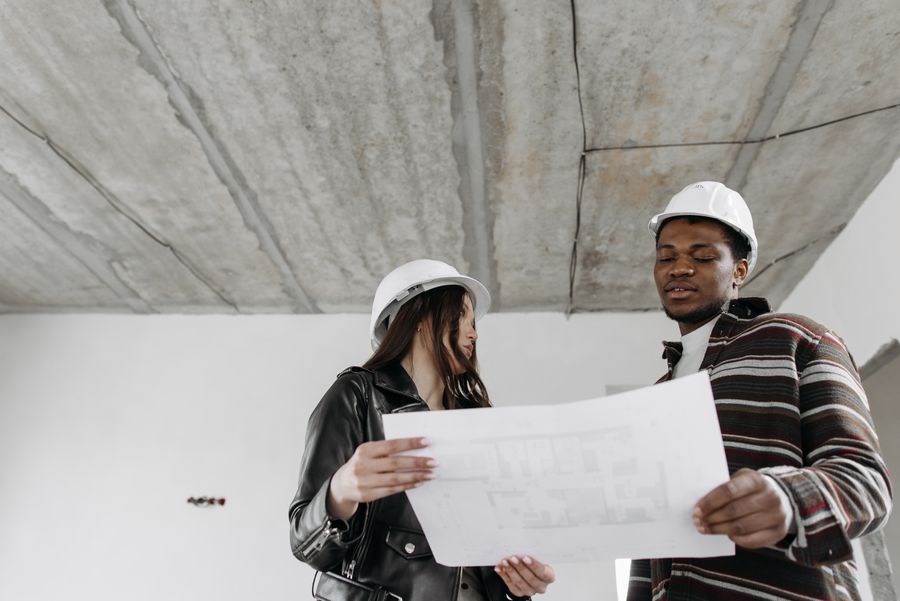
Disputas de construção são uma questão de quando, não se. Em projetos complexos, desacordos sobre escopo, responsabilidade de cronograma, precificação de ordens de mudança e impactos de atraso são quase inevitáveis. Quando esses desacordos não podem ser resolvidos por negociação, eles se tornam reivindicações formais que exigem documentação detalhada para apoiar.
A documentação necessária para uma reivindicação de construção é extensa: relatórios diários mostrando condições e progresso, correspondências mostrando notificação e negociação, análises de cronograma mostrando causa e efeito de atrasos, registros de custos mostrando o impacto financeiro e uma narrativa que conecta todas essas evidências em uma reivindicação ou defesa coerente. Montar essa documentação a partir de meses ou anos de registros do projeto é uma das tarefas mais intensivas em mão de obra na gestão de construção.
O Desafio da Montagem de Documentação
Uma reivindicação típica de atraso exige reconstruir uma linha do tempo de eventos a partir de registros do projeto que foram criados para gestão diária, não para litígio. Os relatórios diários relevantes, RFIs, atas de reuniões, correspondências, ordens de mudança e atualizações de cronograma precisam ser identificados, extraídos dos arquivos do projeto, organizados cronologicamente e analisados quanto a sua relevância para as questões da reivindicação.
Em um grande projeto, o volume de registros potencialmente relevantes é enorme. Dois anos de relatórios diários. Centenas de RFIs. Milhares de e-mails. Atualizações mensais de cronograma. Atas semanais de reuniões. O desafio não é apenas encontrar os documentos relevantes, mas entender como eles se relacionam entre si e com a narrativa da reivindicação.
Como a IA Auxilia a Documentação de Reivindicações
Ferramentas de documentação de reivindicações com IA funcionam analisando todo o registro do projeto para identificar documentos relevantes para questões específicas de reivindicação. Quando uma reivindicação de atraso está sendo preparada, a IA pesquisa relatórios diários, correspondências e atualizações de cronograma em busca de referências às atividades, partes e eventos envolvidos no atraso reivindicado.
O sistema constrói uma linha do tempo de eventos relacionados à reivindicação, vinculando cada evento à sua documentação de apoio. Quando o relatório diário de 15 de março menciona que o subcontratado mecânico não pôde acessar o Nível 3 porque o trabalho estrutural estava incompleto, a IA vincula essa observação à atualização de cronograma mostrando o atraso estrutural, à correspondência onde o atraso foi discutido e à revisão subsequente do cronograma que estendeu o trabalho mecânico.
Suporte à Análise de Cronograma
Reivindicações de atraso tipicamente exigem análise de cronograma mostrando como os eventos reivindicados afetaram a data de conclusão do projeto. A IA auxilia analisando a sequência de atualizações de cronograma para identificar quando os atrasos foram refletidos pela primeira vez no cronograma, como o caminho crítico mudou em resposta aos atrasos e qual foi o impacto cumulativo de múltiplos eventos de atraso na linha do tempo do projeto.
A IA também pode realizar análises de impacto no tempo, modelando como cada evento de atraso afetou o cronograma no momento em que ocorreu, com base na lógica do cronograma e nas condições que existiam naquele ponto. Essa abordagem contemporânea geralmente é mais defensável do que a análise retrospectiva que usa o cronograma final para retrocalcular a responsabilidade pelo atraso.
Documentação de Custos
Reivindicações de compensação adicional exigem documentação detalhada de custos vinculando os custos reivindicados aos eventos que os causaram. A IA extrai dados de custos do sistema contábil do projeto, identifica custos que correspondem ao período de atraso ou interrupção reivindicado e os organiza nas categorias exigidas para a reivindicação: condições gerais estendidas, perdas de produtividade de mão de obra, escalada de custos de material, custos de atraso de subcontratados e despesas gerais do escritório central.
O sistema também identifica potenciais compensações e créditos que precisam ser considerados, garantindo que o cálculo da reivindicação seja completo e defensável em vez de unilateral.
Documentação de Defesa
A documentação de reivindicações com IA é igualmente valiosa para defender contra reivindicações. Quando um subcontratado ou proprietário apresenta uma reivindicação, a IA pesquisa os registros do projeto em busca de evidências que apoiem a defesa: correspondências mostrando notificação tempestiva, relatórios diários mostrando que a alegada causa do atraso na verdade não impediu o trabalho, análises de cronograma mostrando atraso concorrente da parte reclamante e documentação de quaisquer esforços de mitigação.
Empresas de construção que precisam preparar ou defender contra reivindicações de construção podem explorar como ferramentas de análise de documentação com IA para construção aceleram o processo de compilar e organizar evidências de reivindicação a partir de registros extensivos do projeto.
A Vantagem da Preparação
As empresas mais bem posicionadas para a documentação de reivindicações são aquelas que mantêm registros completos e consistentes do projeto durante toda a construção, não aquelas que começam a construir sua documentação depois que uma disputa surge. A geração de relatórios diários com IA, a gestão de documentos e o rastreamento de correspondência criam o registro do qual a análise de reivindicações com IA posteriormente extrai. Boa documentação contemporânea é a base tanto de reivindicações fortes quanto de defesas fortes.