










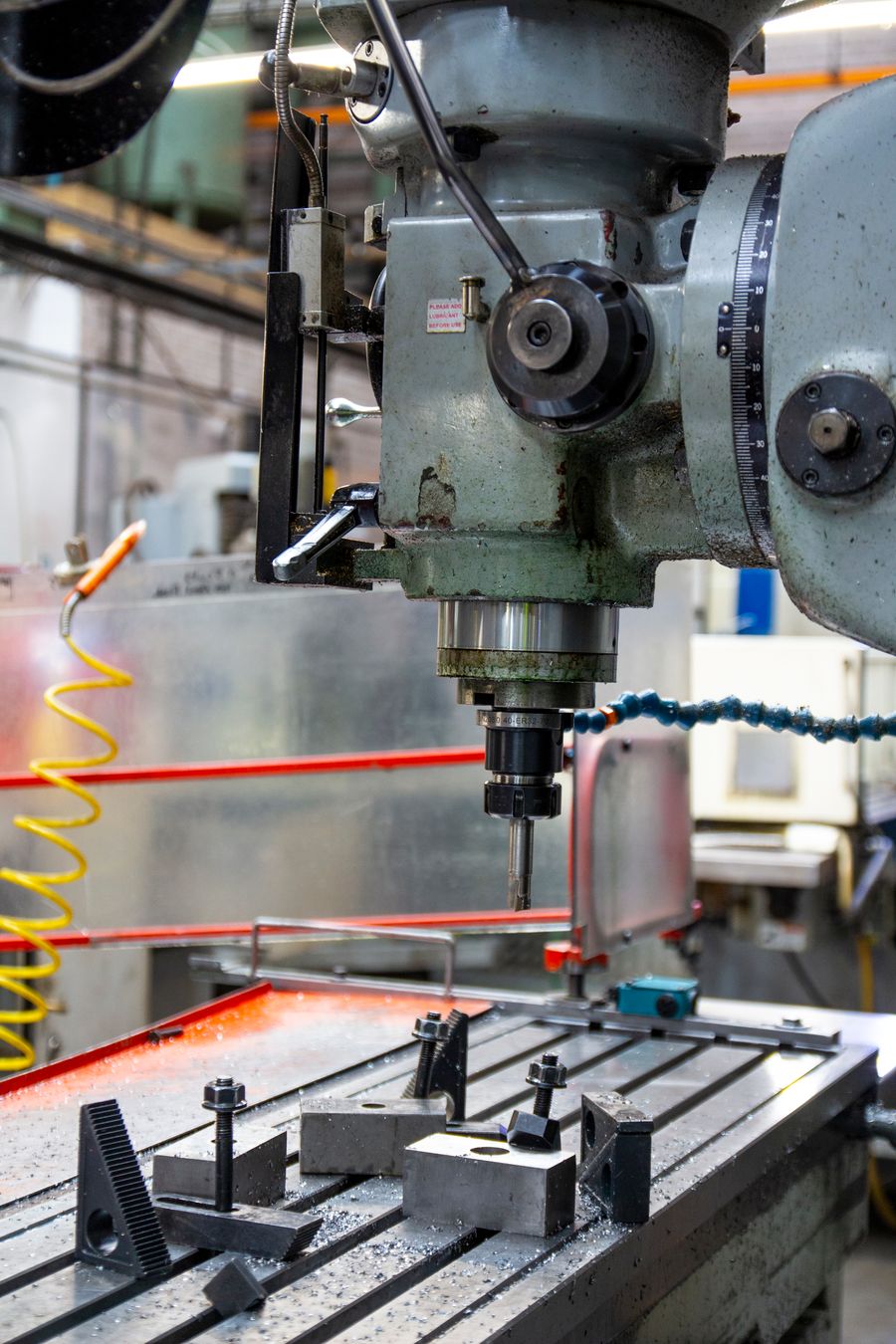
Every new product introduction involves setting up production equipment for the first time. Estimating how long that setup will take is critical for production planning but notoriously difficult. The typical approach relies on experienced setup technicians making estimates based on similar past jobs, which introduces subjectivity and often underestimates the time needed, leading to schedule overruns.
AI trained on historical setup data can predict new product setup times with significantly better accuracy than human estimates, which improves planning reliability and reduces the chaos that often accompanies new product launches.
Why Setup Estimates Are Usually Wrong
Setup time depends on many interacting factors. The complexity of the tooling or fixtures required. The number of adjustments needed to achieve dimensional targets. Whether the setup is similar to a previous product or genuinely new. The experience level of the setup technician who will do the work. The condition of the equipment and the availability of setup tools and gauges.
Human estimators tend to anchor on the setup time for the most similar previous product and adjust from there. This works reasonably well when the new product is very similar to an existing one. It works poorly when there are subtle differences that significantly affect setup difficulty, or when the estimator does not have personal experience with the most relevant previous setups.
How AI Predicts Setup Times
AI-based setup time prediction starts with a database of historical setups. Each record includes the product characteristics (dimensions, tolerances, material, complexity features), the equipment used, the setup technician, and the actual time from start to first good part.
The AI model learns the relationships between product characteristics and setup time. It discovers that certain feature combinations are disproportionately time-consuming. It learns which equipment types require more adjustment. It accounts for learning effects where repeat setups on similar products get faster.
When a new product is introduced, the AI examines its characteristics, finds the most relevant historical setups, and generates a time prediction along with a confidence interval. The confidence interval is important because it communicates the uncertainty, telling the planner whether the estimate is based on strong historical precedent or is more speculative.
Factors the AI Considers
- Product geometry and tolerances directly affect the number of adjustments needed. Tighter tolerances generally mean more setup time because achieving the target requires finer adjustments and more measurement cycles.
- Material properties matter because different materials behave differently during initial cuts. A setup on hardened steel might require more trial cuts than the same geometry in aluminum.
- Equipment capabilities and condition affect setup time. Newer machines with better positioning accuracy might achieve targets faster than older machines that require manual compensation.
- Tooling requirements including whether existing fixtures can be modified or new ones are needed, whether standard cutting tools work or special tools must be set up.
Using Predictions for Planning
Accurate setup time predictions improve production planning in several ways. Schedules become more realistic because they account for actual expected setup times rather than optimistic estimates. Capacity planning improves because the setup time consumed on new products is properly accounted for. Resource scheduling improves because the right technicians can be assigned based on the predicted complexity of the setup.
The predictions also help prioritize setup improvement efforts. Products with predicted long setup times are candidates for investment in quick-change tooling, improved fixturing, or setup procedure development before the production launch.
For more on AI in manufacturing planning, visit the FirmAdapt manufacturing analysis page.