










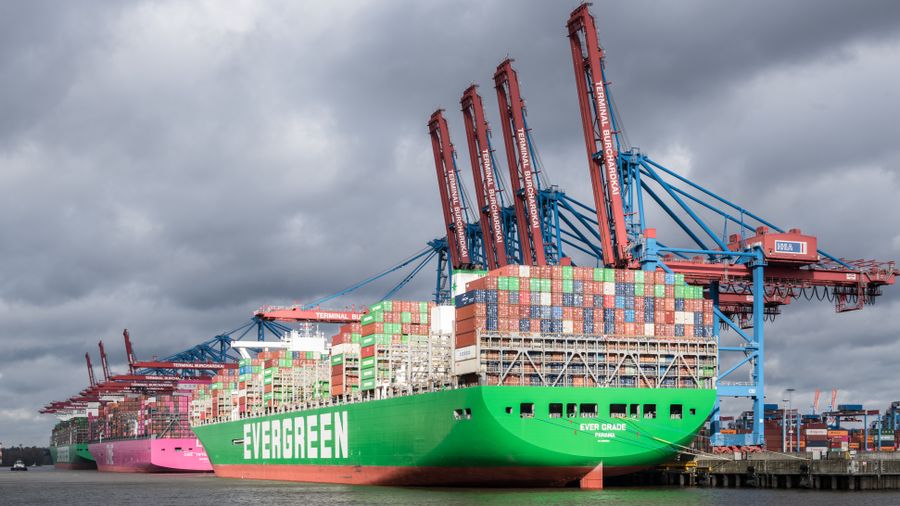
When a manufacturer sources raw materials internationally, the purchase price on the invoice is just the starting point. The actual cost of getting that material to the factory floor includes ocean freight, customs duties, port handling, inland transportation, insurance, currency conversion, inspection fees, and sometimes storage charges. These costs add up to 15-40% on top of the material price, depending on the product and origin.
Getting this number right matters because it determines whether international sourcing actually saves money compared to domestic alternatives. Many companies get it wrong because the calculation is complex and the inputs change constantly.
Why Landed Cost Is Hard to Calculate
The difficulty starts with the number of variables involved. Customs duties depend on the Harmonized System (HS) classification of the material, which is not always obvious for processed or blended materials. Freight rates vary by origin, destination, container type, and market conditions. Currency exchange rates move daily. Insurance costs depend on the route, the material, and the coverage level.
Then there are the less obvious costs. Demurrage charges if a container sits at the port too long because your receiving dock is backed up. Customs broker fees that vary by entry complexity. Anti-dumping or countervailing duties that apply to specific materials from specific countries. Free trade agreement preferential rates that require origin documentation to claim.
Most purchasing teams estimate landed cost using spreadsheets with static assumptions. The freight rate used was valid three months ago. The duty rate might be wrong because the HS classification was not verified. Currency rates are updated monthly instead of daily. The result is a landed cost estimate that might be off by 5-10%, which is enough to flip a sourcing decision from good to bad.
How AI Automates This
AI-based landed cost engines continuously update all of the input variables and calculate current landed costs for every material from every potential source. They pull real-time freight rates from shipping indices and rate databases. They apply current exchange rates. They look up the correct duty rates for the specific HS code and origin-destination pair, including any applicable trade agreements or special tariffs.
The AI also learns from historical shipments. It builds a model of the actual costs experienced on past imports, including the unpredictable extras like demurrage, inspection delays, and documentation corrections. This historical model is often more accurate than the bottom-up calculation because it captures the real-world costs that the theoretical calculation misses.
Scenario Modeling
Beyond calculating the current landed cost, AI enables rapid scenario modeling. What happens to your landed cost if the Chinese yuan strengthens by 5%? What if ocean freight rates spike back to pandemic levels? What if the government imposes additional tariffs on a specific material category?
These scenarios help purchasing teams build resilience into their sourcing strategy. If a particular supply chain is highly sensitive to freight rates, having an alternative domestic or nearshore source qualified and ready makes sense even if it costs slightly more at current rates.
Integration With Purchasing Decisions
The most effective implementations connect landed cost calculations directly to purchase order decisions. When a buyer needs to place an order, the system shows the total landed cost from each qualified supplier, not just the unit price. This makes it easy to compare a $10 per kilogram price from an overseas supplier with an $11 per kilogram price from a domestic supplier when the landed cost of the imported material is actually $12.50.
The AI also optimizes order quantities and shipping modes to minimize landed cost. A larger order might qualify for a better freight rate or amortize fixed costs like customs clearance over more units. Air freight might be worth the extra cost if it avoids demurrage charges from a late ocean shipment.
For more on AI-driven procurement in manufacturing, visit the FirmAdapt manufacturing analysis page.