










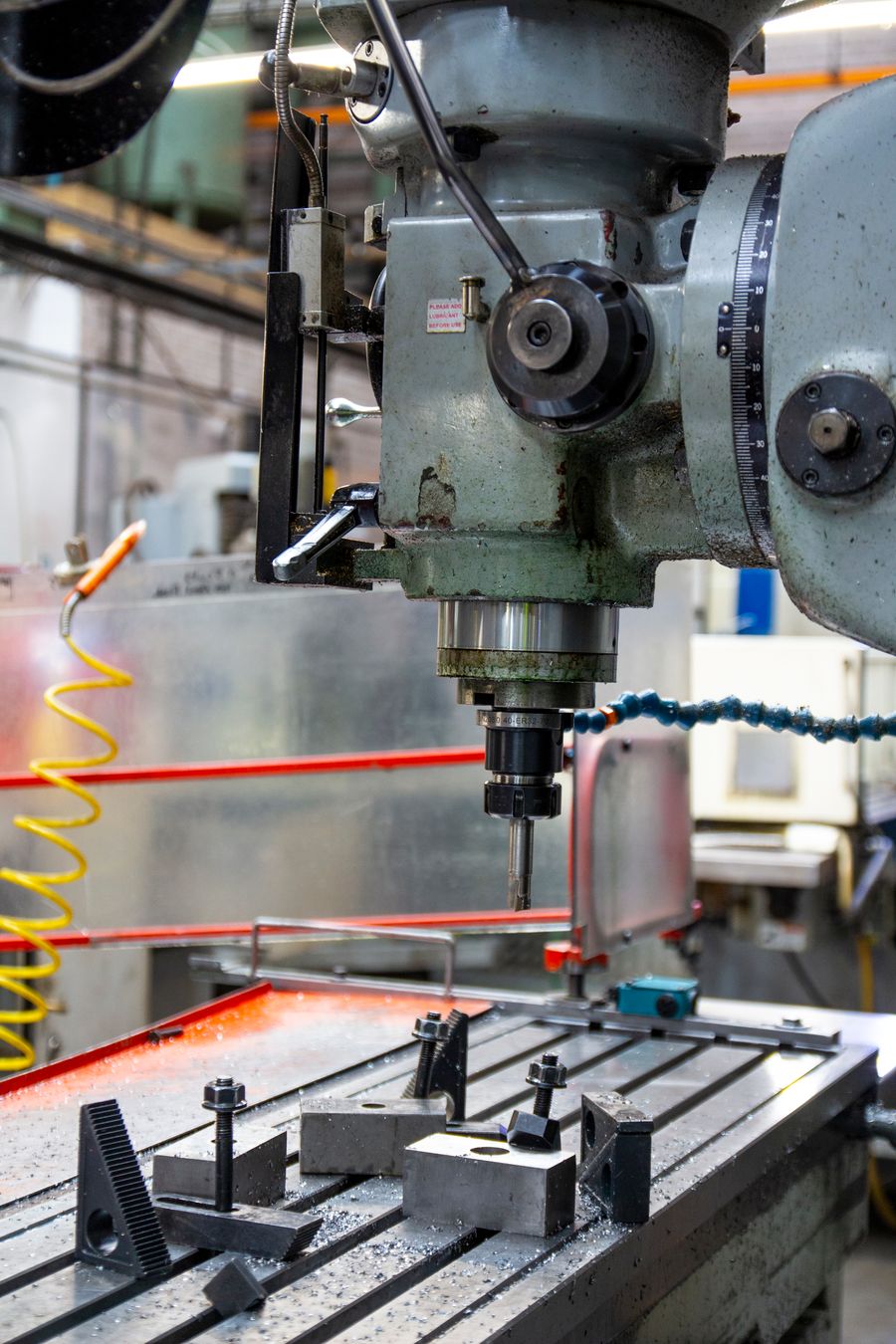
Un turnaround de planta industrial es la construcción en su modalidad más intensa. Una refinería, planta química o instalación de generación eléctrica se detiene para una parada planificada durante la cual debe completarse cada actividad de mantenimiento, reparación y modificación que no puede realizarse mientras la planta está operando. El alcance del trabajo puede incluir miles de tareas individuales ejecutadas por cientos de trabajadores las 24 horas. Y cada día que la planta está fuera de operación le cuesta al propietario millones en producción perdida.
El reto de planificación es sencillo en concepto: terminar todo el trabajo en el menor tiempo posible. En la práctica, las interdependencias entre tareas, las restricciones físicas de trabajar en un entorno industrial denso y los requisitos de seguridad para intervenir equipos que normalmente operan a altas temperaturas y presiones generan un problema de optimización de extraordinaria complejidad.
El cronograma comprimido
Un turnaround típico puede durar de dos a seis semanas, durante las cuales debe completarse un trabajo que tomaría meses en condiciones normales. El cronograma comprimido implica que la programación secuencial tradicional no funciona. Las actividades deben ejecutarse en paralelo siempre que sea posible y la secuenciación debe minimizar el tiempo muerto entre tareas dependientes.
El alcance del trabajo suele incluir inspección y reparación de equipos (intercambiadores de calor, reactores, columnas, equipos rotativos), modificaciones y reparaciones de tuberías, mejoras al sistema eléctrico, calibración de instrumentación, reparaciones estructurales y, a veces, nueva construcción que se integra con la planta existente.
Cómo planifica la IA el turnaround
La planificación con IA del turnaround parte del alcance del trabajo y de la disposición física de la instalación. Cada tarea se define con su duración, requisitos de cuadrilla, necesidades de equipo, actividades prerrequisito y ubicación física dentro de la planta. La IA construye luego un cronograma optimizado que secuencia las tareas para minimizar la duración total de la parada respetando todas las dependencias y restricciones.
Las restricciones son extensas. Los equipos deben aislarse y descontaminarse antes de iniciar el mantenimiento. Los procedimientos de ingreso a espacios confinados requieren personal y monitoreo específicos. Los permisos de trabajo en caliente limitan dónde pueden ocurrir simultáneamente la soldadura y el corte. Las grúas y los equipos de izaje pesado tienen disponibilidad y opciones de posicionamiento limitadas. Los límites de exposición a radiación o productos químicos restringen cuánto tiempo pueden permanecer los trabajadores en ciertas áreas.
La IA evalúa millones de combinaciones posibles de programación para encontrar la que atraviesa todas estas restricciones con la menor duración total. La optimización considera no solo la ruta crítica, sino las rutas casi críticas que podrían volverse críticas si alguna actividad demora más de lo previsto.
Nivelación de recursos bajo presión
El trabajo del turnaround alcanza picos de intensidad que tensionan cada recurso disponible. La nivelación de recursos con IA garantiza que el cronograma no genere demandas imposibles: momentos en los que se necesitan veinte andamieros pero solo hay doce, o donde se requieren tres grúas simultáneamente pero la disposición de la planta solo permite dos.
El sistema nivela los recursos protegiendo la ruta crítica, retrasando ligeramente las actividades no críticas para repartir la demanda de manera más uniforme sin extender la duración total de la parada. Para las actividades críticas, la IA identifica dónde recursos adicionales (cuadrillas en horas extra, equipo adicional, entrega expedita de materiales) acortarían la ruta crítica y calcula el costo-beneficio de cada opción de aceleración.
Replanificación en tiempo real
Ningún turnaround se ejecuta tal cual al plan. Un equipo abierto para inspección puede tener más daños de los previstos, requiriendo un alcance de reparación adicional. El clima puede restringir el trabajo al aire libre. Una pieza crítica de equipo de reemplazo puede llegar tarde. La IA destaca al replanificar en tiempo real, recalculando el cronograma optimizado con base en las condiciones reales y entregando guía actualizada a los equipos en campo en horas en lugar de días.
Esta capacidad de replanificación rápida es esencial porque los cronogramas de turnaround tienen muy poca holgura. Un retraso de dos días en una actividad crítica puede propagarse por todo el cronograma, y mientras más tarde se desarrolle un plan de recuperación, más opciones se cierran con el paso del tiempo.
Las firmas de construcción y mantenimiento industrial pueden explorar cómo las herramientas de planificación con IA para construcción manejan la complejidad extrema de programación y los plazos comprimidos de los proyectos de turnaround industrial.
El costo del tiempo perdido
En un turnaround industrial grande, cada día de parada extendida puede costarle al propietario de la instalación entre uno y cinco millones de dólares en producción perdida. Esto crea una dinámica de costos inusual donde gastar más en recursos de construcción para ahorrar incluso un solo día de parada suele estar justificado. La planificación con IA cuantifica estas compensaciones, mostrándole al equipo exactamente qué inversiones en aceleración ofrecerán retornos que excedan su costo.