










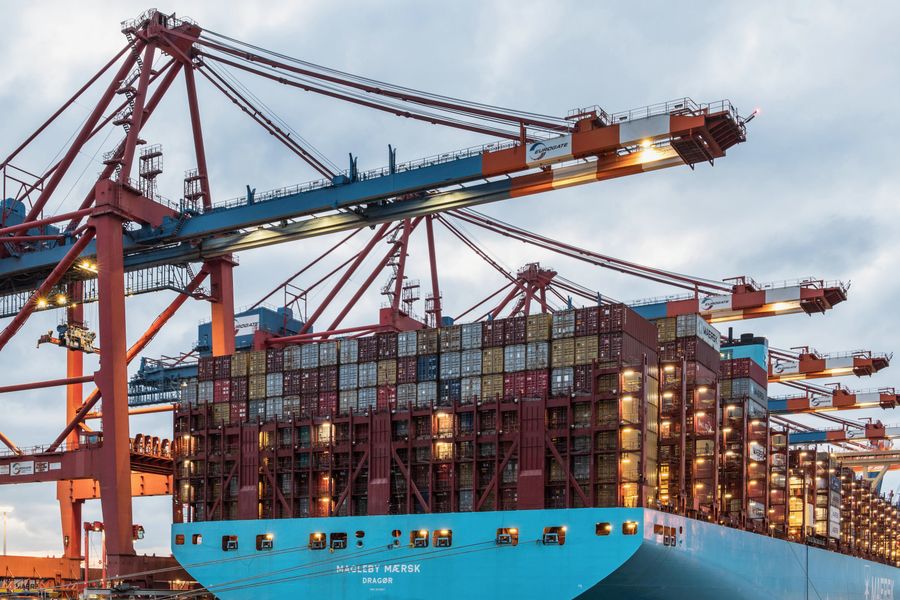
Foreign Trade Zones Menawarkan Penghematan Nyata, Tetapi Kepatuhan Itu Kompleks
Foreign trade zones adalah area yang ditetapkan di dalam AS di mana barang impor dapat disimpan, diproses, dan diekspor kembali tanpa membayar bea cukai standar. Bagi importir e-commerce, FTZ dapat memberikan penghematan yang berarti dengan menunda atau mengurangi pembayaran bea pada inventaris impor. Tetapi penghematan ini datang dengan persyaratan kepatuhan yang signifikan yang, jika tidak ditangani dengan benar, dapat menghasilkan denda yang jauh melebihi penghematan bea.
Persyaratan kepatuhan meliputi pelacakan terperinci atas semua barang yang masuk dan keluar dari zona, klasifikasi barang yang akurat, dokumentasi yang tepat dari semua aktivitas zona, pengajuan tepat waktu laporan yang diperlukan, dan pemeliharaan jejak audit yang lengkap. Untuk operasi yang menangani ribuan SKU dan ratusan pengiriman, mengelola kepatuhan ini secara manual adalah pekerjaan penuh waktu untuk beberapa orang.
Bagaimana AI Mengotomatisasi Kepatuhan FTZ
AI mengotomatisasi pelacakan dan dokumentasi yang dituntut kepatuhan FTZ. Ketika inventaris memasuki zona, sistem secara otomatis mencatat masuknya, mengklasifikasikan barang, menghitung tarif bea yang berlaku, dan menghasilkan dokumentasi yang diperlukan. Ketika inventaris keluar dari zona, baik untuk konsumsi domestik atau untuk diekspor kembali, sistem menghasilkan dokumentasi penarikan yang sesuai dan menghitung bea yang harus dibayar.
Sistem memelihara inventaris yang lengkap dan waktu nyata dari semua barang dagangan dalam zona, direkonsiliasi terhadap penghitungan fisik dan catatan pengiriman. Rekonsiliasi berkelanjutan ini menangkap perbedaan sebelum menjadi masalah kepatuhan.
Optimalisasi Bea
AI mengoptimalkan waktu dan metode penarikan zona untuk meminimalkan pembayaran bea. Produk dapat memasuki zona di bawah satu klasifikasi tarif dan berpotensi ditarik di bawah klasifikasi yang berbeda dan lebih rendah jika telah dimodifikasi atau dirakit di dalam zona. Sistem mengidentifikasi peluang optimalisasi ini dan memastikan bahwa penarikan terstruktur untuk meminimalkan paparan bea sesuai dengan aturan.
Otomatisasi Pelaporan
Operator FTZ diharuskan mengajukan laporan reguler dengan US Customs and Border Protection. AI menghasilkan laporan ini secara otomatis dari data pelacakan, memastikan akurasi dan ketepatan waktu. Sistem juga memelihara semua dokumentasi yang diperlukan untuk audit pabean, terorganisasi dan dapat diakses jika audit terjadi.
Manajemen Risiko
Sistem menandai potensi risiko kepatuhan sebelum menjadi pelanggaran. Jika produk mendekati waktu maksimum yang diizinkan dalam zona, jika dokumentasi untuk pengiriman tidak lengkap, atau jika perbedaan inventaris terdeteksi, sistem mengingatkan tim kepatuhan dengan segera daripada menunggu siklus audit atau laporan berikutnya.
Bagi importir e-commerce dengan sumber internasional yang signifikan, program FTZ dapat memberikan manfaat finansial yang substansial, tetapi hanya jika kepatuhan dikelola secara ketat. AI membuat manajemen ketat tersebut layak tanpa peningkatan staf kepatuhan yang proporsional. Untuk informasi lebih lanjut tentang bagaimana AI menangani kompleksitas regulasi di seluruh operasi impor e-commerce dan ritel, kepatuhan otomatis menjadi penting bagi bisnis yang beroperasi dalam skala besar.