










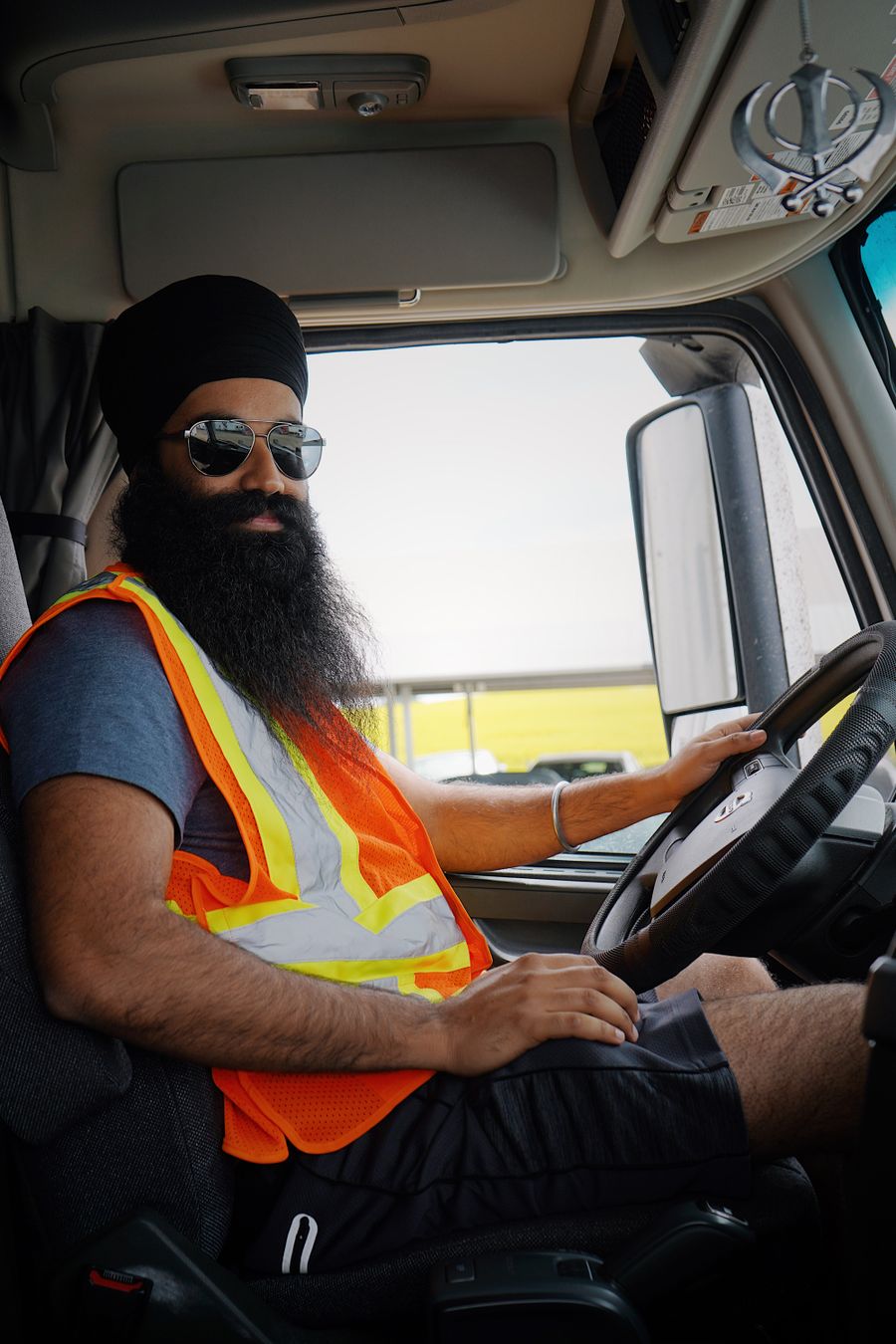
Fleet safety managers have a problem. They know that speed and following distance are two of the biggest controllable risk factors in trucking. They also know that most drivers hate being monitored on these metrics. The history of speed monitoring in fleets is littered with systems that generated constant alerts, punished drivers for minor technical violations, and created an adversarial relationship between the safety department and the people actually doing the driving.
AI is starting to change that dynamic, not by monitoring less, but by monitoring smarter.
Context-Aware Speed Assessment
The biggest complaint drivers have about traditional speed monitoring is that it ignores context. Going 3 mph over the posted limit on a straight, dry, empty highway at 2 PM is not the same risk as going 3 mph over in a construction zone during rain at night. But most monitoring systems treat both situations identically.
AI-based systems incorporate context that makes the assessment more realistic. They factor in current weather conditions from weather API data, road geometry from mapping databases, traffic density from real-time traffic feeds, construction zone data from DOT feeds, time of day and visibility conditions, and the specific characteristics of the road segment including grade, curves, and known hazard areas.
A driver doing 67 in a 65 zone on dry Interstate with light traffic gets no alert. The same driver doing 67 in a 65 zone approaching a known accident-prone curve in wet conditions gets a context-appropriate warning. This is not a minor distinction. It is the difference between a system that cries wolf constantly and one that alerts when the alert actually matters.
Following Distance That Accounts for Real Conditions
Following distance monitoring faces similar context challenges. The standard recommendation is a certain number of seconds of following distance, but the appropriate distance varies significantly based on speed, road conditions, vehicle weight, brake condition, and traffic flow patterns.
AI systems that use forward-facing cameras with distance estimation can measure actual following distance in real time. More importantly, they can adjust the threshold based on conditions. A fully loaded truck on wet roads needs more following distance than an empty truck on dry pavement. A truck in heavy stop-and-go traffic will naturally have shorter following distances than one in free-flowing highway traffic, and the system should account for that rather than generating alerts every time traffic compresses.
The smarter systems also distinguish between intentional close following (tailgating) and situational close following (traffic cut-ins, merging situations, temporary compression in traffic flow). When a car cuts in front of a truck and temporarily reduces following distance, the system recognizes that the driver did not create the situation and does not flag it as a violation.
Coaching vs Policing
The framing of monitoring data makes an enormous difference in driver acceptance. Systems that generate scorecards used primarily for discipline create resistance. Systems that generate coaching insights that help drivers improve create engagement.
The practical difference shows up in how the data is presented. A punitive approach says: Driver Smith had 47 speed violations this week. A coaching approach says: Driver Smith, your speed management is strong on highway segments but you tend to carry extra speed into interchange curves. Here are three specific locations where slowing down 5 mph earlier would improve your safety margin.
AI enables the coaching approach because it can identify patterns rather than just counting events. It can distinguish between a driver who has a general speeding problem and one who has a specific habit in specific situations. The targeted coaching is more effective and less demoralizing.
Peer Comparison Without Public Shaming
One technique that works well for driver engagement is anonymous peer comparison. AI systems can show a driver how their speed and following distance patterns compare to the fleet average and to the top performers, without identifying anyone by name.
This taps into natural competitive instincts without creating the toxic dynamics of public leaderboards. A driver who sees that they are in the 60th percentile for following distance consistency and that the top quartile maintains 20 percent more following distance on average has a clear, non-threatening benchmark to work toward.
Adaptive Thresholds
Static thresholds are one of the biggest sources of driver frustration. A 5 mph over threshold might be appropriate for urban delivery routes but overly strict for long-haul highway operations where speed variations are normal and expected.
AI systems can use adaptive thresholds that adjust based on the operating environment. Highway segments get different parameters than urban segments. Mountain roads get different parameters than flat terrain. The thresholds can even adapt to the specific truck configuration, recognizing that a doubles combination handles differently than a single trailer.
The key insight is that the goal is not zero speed deviations. The goal is identifying genuinely risky behavior and helping drivers manage it. Adaptive thresholds focus the system on what actually matters rather than generating noise about minor, low-risk deviations.
Positive Reinforcement
The most effective implementations include positive reinforcement, not just violation tracking. When a driver completes a week with strong speed management and consistent following distances, the system acknowledges that. Some fleets tie this to incentive programs where consistently safe driving behavior earns tangible rewards.
AI makes positive reinforcement practical because it can objectively measure good performance. Without AI, positive reinforcement often defaults to the absence of incidents, which does not help a driver understand what they are doing right. With AI, you can specifically recognize that a driver maintained excellent following distance discipline through a challenging corridor or managed speed beautifully on a mountainous route.
The Data Transparency Factor
Driver acceptance increases substantially when drivers can see the same data the safety department sees. Giving drivers access to their own dashboards, where they can review their trips, see where alerts were generated, and understand the context the system was evaluating, builds trust.
When drivers can see that the system correctly noted they were cut off by a car and did not count it against them, they start trusting the technology. When they can see that a speed alert was generated because they were in a construction zone they did not notice, they accept it as useful information rather than arbitrary punishment.
The transparency creates a feedback loop where drivers engage with the system as a tool rather than fighting it as a surveillance mechanism. That engagement is what turns monitoring data into actual behavior change.
For more on how AI is being applied to fleet safety and operations, see FirmAdapt's logistics and transportation analysis.