










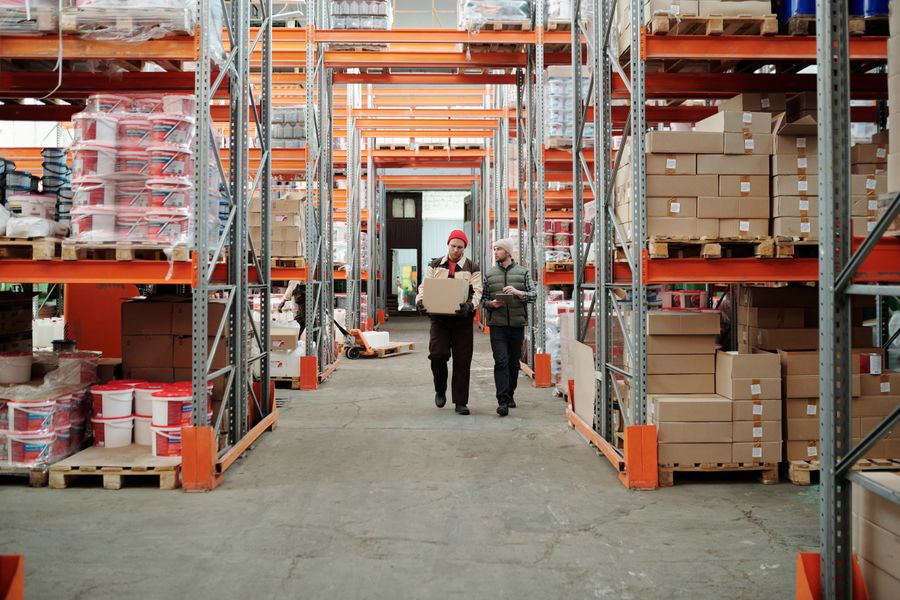
Tempat penyimpanan alat dalam operasi pemesinan ialah gudang miniatur yang menyimpan alat pemotong, sisipan, pemegang, instrumen pengukuran, dan barangan habis pakai. Menguruskannya secara berkesan adalah lebih sukar daripada yang kelihatan. Kadar penggunaan alat berbeza-beza mengikut campuran produk. Sebahagian alat dikongsi merentasi banyak operasi manakala yang lain khusus untuk satu bahagian sahaja. Alat haus pada kadar yang berbeza bergantung pada bahan yang dipotong. Dan apabila alat yang diperlukan tiada dalam stok, mesin terbiar manakala seseorang berusaha mencari alternatif atau membuat pesanan kecemasan.
Di Mana Pengurusan Tempat Penyimpanan Alat Tersilap
Tempat penyimpanan alat yang tipikal beroperasi berdasarkan kombinasi paras inventori min-maks yang ditetapkan berdasarkan pengalaman dan penjejakan manual pengeluaran dan pemulangan alat. Paras min-maks ditetapkan secara konservatif untuk mengelakkan kekurangan stok, bermakna inventori berlebihan mengikat modal. Data penggunaan alat tidak lengkap kerana tidak semua orang merekodkan transaksi alat mereka. Alat usang berkumpul apabila produk berubah dan peralatan baharu dilayakkan.
Hasilnya adalah tempat penyimpanan alat yang serentak mempunyai terlalu banyak beberapa perkara dan terlalu sedikit perkara lain, dengan jumlah nilai inventori yang pengurusan ingin kurangkan.
Bagaimana AI Mengoptimumkan Inventori Alat
Pengurusan tempat penyimpanan alat berasaskan AI bermula dengan penjejakan penggunaan yang tepat. Mesin layan diri atau kabinet pintar mengeluarkan alat dan secara automatik merekodkan siapa mengambil apa dan untuk kerja yang mana. Ini menghapuskan jurang data daripada transaksi yang tidak direkodkan dan memberikan gambaran lengkap tentang penggunaan sebenar.
AI menganalisis corak penggunaan untuk setiap alat dalam konteks jadual pengeluaran. Ia tahu bahawa penggunaan sisipan meningkat apabila kedai sedang menjalankan bahan atau produk tertentu. Ia tahu bahawa penggunaan gerudi melonjak sebelum pesanan pelanggan tertentu dihantar. Ia menggunakan jadual pengeluaran semasa dan akan datang untuk meramalkan permintaan alat.
Berdasarkan ramalan permintaan dan masa pendahuluan pembekal ini, AI menetapkan titik pesanan semula dinamik yang mengekalkan inventori pada paras minimum yang diperlukan untuk mencegah kekurangan stok. Untuk alat dengan penggunaan yang boleh diramalkan, titik pesanan semula adalah ketat. Untuk alat dengan penggunaan berubah-ubah, ia mengekalkan penampan yang lebih besar. Hasilnya adalah jumlah nilai inventori yang lebih rendah dengan kejadian kekurangan stok yang lebih sedikit.
Penjejakan Hayat Alat
AI juga mengesan hayat alat sebenar dengan mengaitkan data penggunaan dengan output pengeluaran. Ia mendapati bahawa gred sisipan tertentu bertahan lebih lama pada satu mesin berbanding mesin yang lain, atau bahawa hayat alat menurun apabila kepekatan penyejuk jatuh di bawah ambang. Pandangan ini memacu kedua-dua keputusan pemilihan alat dan penambahbaikan proses.
Apabila data hayat alat menunjukkan bahawa gred sisipan yang lebih mahal sebenarnya berkos lebih rendah setiap bahagian kerana ia bertahan lebih lama, AI mengesyorkan pertukaran dengan justifikasi kos yang jelas.
Untuk maklumat lanjut tentang pengoptimuman operasi AI dalam pembuatan, lawati halaman analisis pembuatan FirmAdapt.